At Farm Boy, we take pride in offering our customers a wide variety of fruits that gets you closer to the farm. Always sourced for the highest quality, freshest flavour, and excellent value, there’s something new to discover in our stores at every visit. In our Produce Department, you’ll find a vibrant array of tropical fruits alongside locally-sourced apples and potatoes, Fairtrade-certified bananas, and so much more. Every day, our expert buyers hand-select fruits from the markets to ensure that only the best make it to our shelves. We want you to enjoy tropical produce that not only tastes great, but lasts longer, so it’s ready when you are. That’s how we continue to bring you good food from good neighbours.
Discover more about some of our favourite tropical fruits, including nutrition, how to choose them, how to enjoy them at their peak, and more!
Please note that not all fruits may be available and availability may vary by store and season.
Blog Overview
- Tropical fruits are a delicious, vibrant source of colour and flavour.
- Different tropical fruits include bananas, coconuts, dragonfruit, and more.
- Discover how to use tropical fruits, select the best ones from the store, as well as their different nutrition and tastes.
- Put “A Farm Boy Fresh Twist” on a variety of tropical fruits by incorporating them into our chef-created recipes!
- Tropical fruit availability may vary by Farm Boy store location and season.

Avocado
Flavour: Creamy, subtly nutty, and buttery.
Nutrition: Avocados are rich in fibre, healthy fats, Vitamin E, potassium, folate, and many more!
At The Store: Look for a slightly soft avocado that yields to gentle pressure.
How To Enjoy: Added to toast, sandwiches, tacos, burgers, salads, or smoothies, or made into dips or guacamole.
How To Store: Avocados should be stored on the counter to ripen naturally. Ripe avocados should be stored in the fridge in an airtight container.
Recipe to Try: Creamy, Tangy Avocado Dip
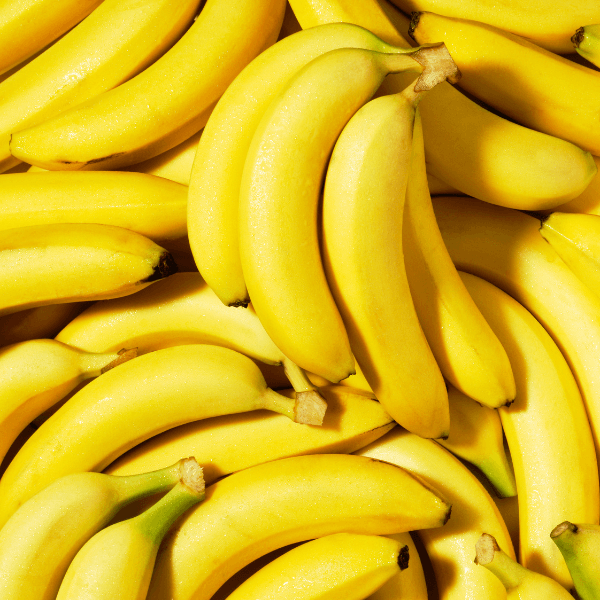
Banana
Flavour: Sweet, creamy, and fresh.
Nutrition: Bananas are high in potassium, Vitamin B6, and Vitamin C.
At The Store: Depending on the purpose of your banana, you can choose bananas that are more green or more yellow. Select a range of colours for differing ripeness to have more longevity in your banana haul. Avoid any with cuts or abrasions.
How To Enjoy: In hand, or in smoothies, ice cream, and baked goods.
How To Store: Bananas should be stored at room temperature, out of direct sunlight and ideally hanging. Wrap the stems in plastic wrap or tinfoil to keep them fresher longer.
Recipe to Try: Banana Pancakes with Banana Caramel Sauce
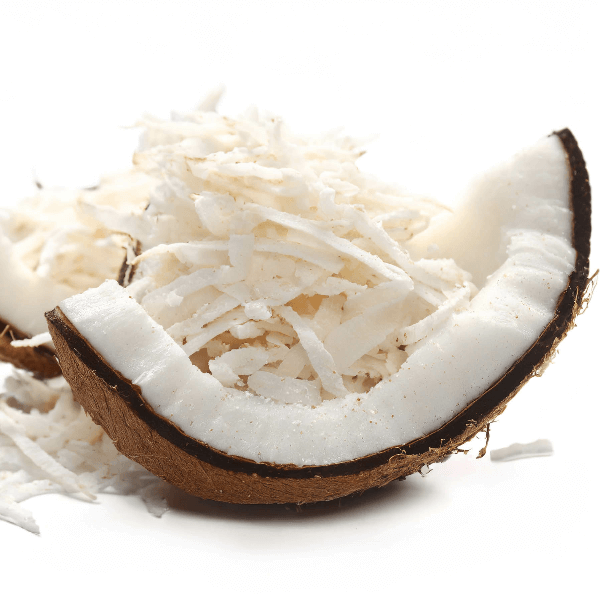
Coconut
Flavour: Milky, sweet, and creamy.
Nutrition: High in manganese, iron, copper, and potassium.
At The Store: Select a coconut that feels heavy for its size. Shake them to hear the amount of liquid inside. The more liquid, the fresher the coconut!
How To Enjoy: Coconut can be dried, shredded, and used in baking. Coconut milk and cream is often used in smoothies, pancakes, rice dishes, and curries.
How To Store: Store closed coconuts in a cool, dry place for a couple of months. Open coconut keeps best if the coconut chunks are stored in an airtight container with the coconut water poured over it. This method will keep the coconut for up to five days.
Recipe to Try: Coconut Chia Breakfast Bowls
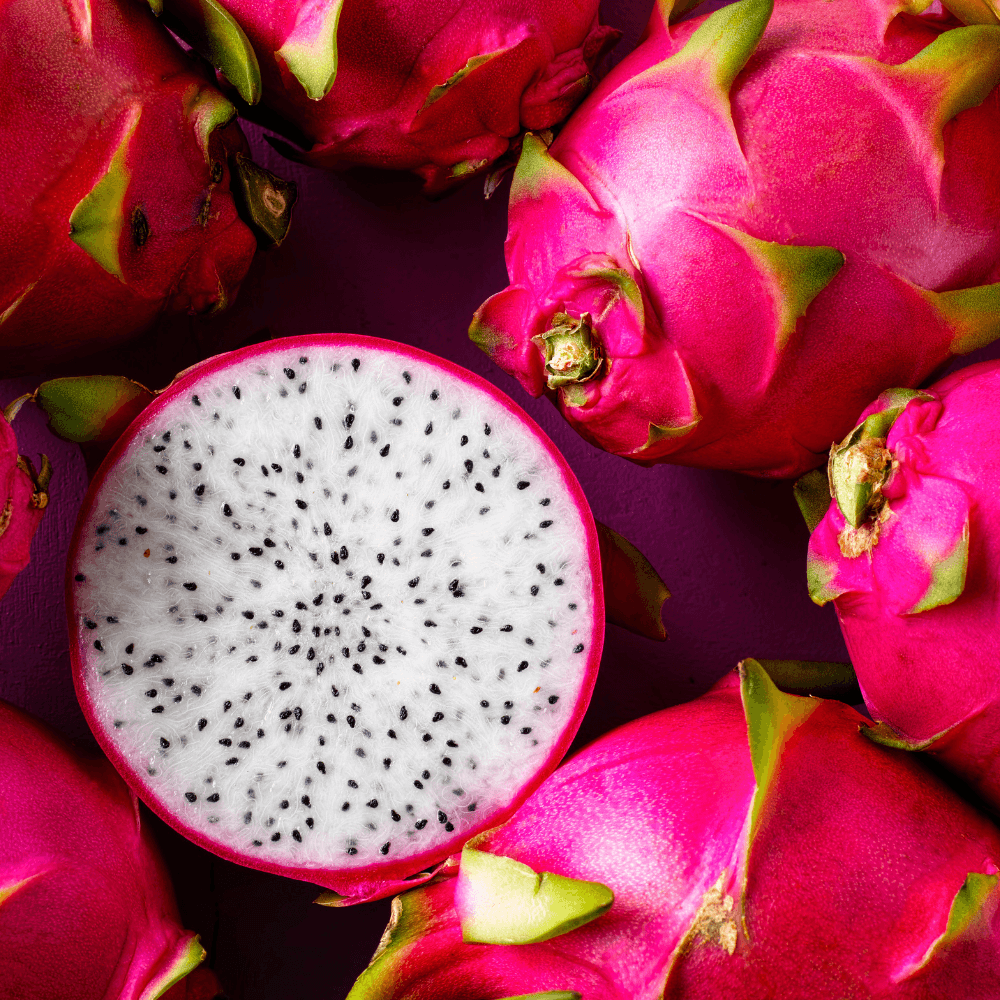
Dragonfruit
Flavour: Sweet and mild, like a kiwi crossed with a pear.
Nutrition: Dragonfruit is a good source of fibre and Vitamin C.
At The Store: Look for a fruit that has vibrantly coloured skin with no brown spots and feels heavy for its size. It should have a slight give, but not feel mushy.
How To Enjoy: In smoothies, sorbets, salsas, and salads.
How To Store: Uncut, unwashed dragonfruit can be kept on the counter to ripen naturally. To slow down the ripening process, place dragonfruit in a sealed container in the fridge for up to two weeks.
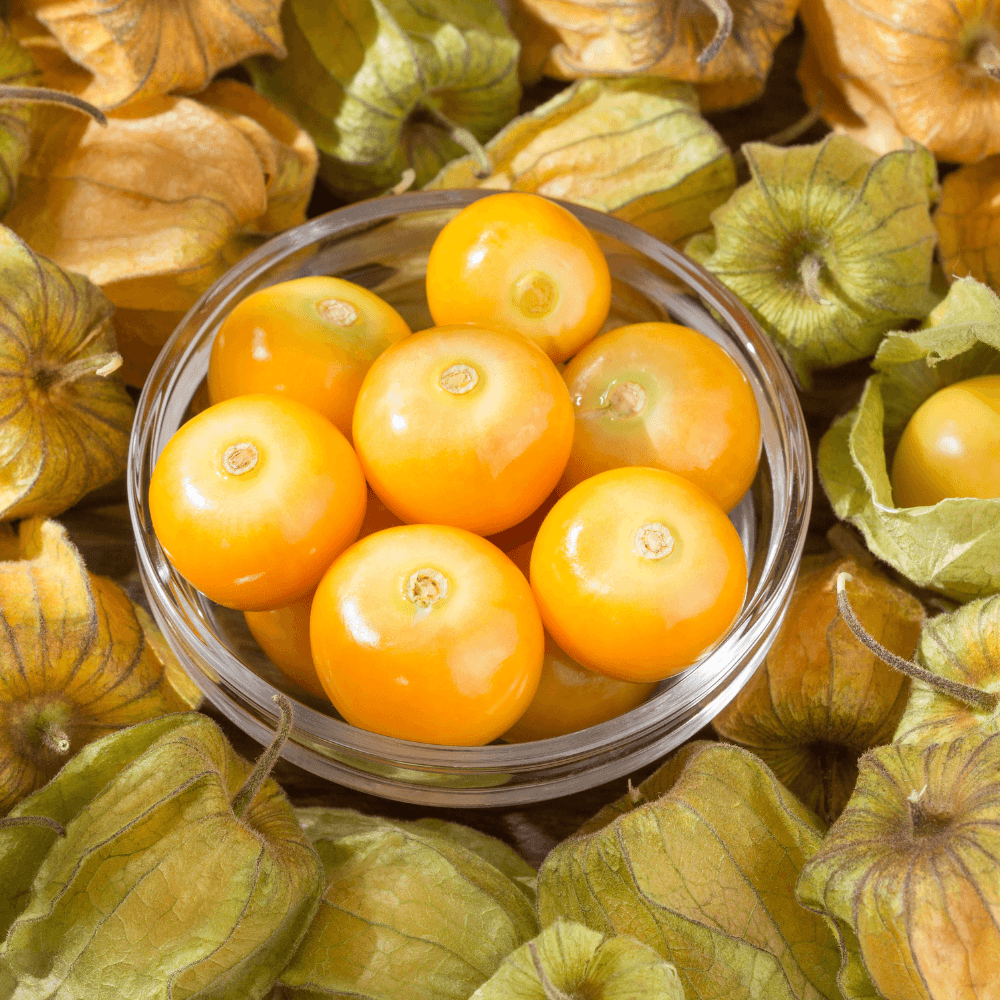
Goldenberries
Flavour: Sweet, tart, and fruity, with tropical and tomato notes.
Nutrition: Source of fibre, Vitamin C, niacin, antioxidants, iron, and more.
At The Store: Select berries that are firm to the touch, not soft, with an even, golden colour that has no spots of green.
How To Enjoy: As a snack, or in salads, salsas, sorbets, chutneys, and sauces.
How To Store: Leave goldenberries in their husks for 30-45 days at room temperatures. Without their husks, they should be stored in the fridge for four to five days.

Jackfruit
Flavour: Yellow jackfruit has a subtly sweet flavour, with notes of banana and mango, while green jackfruit is more neutral in taste.
Nutrition: Source of protein, potassium, magnesium, and manganese.
At The Store: Ripe jackfruit should feel heavy for its size and sound hollow when knocked.
How To Enjoy: Try jackfruit as a pulled pork alternative with your favourite Farm Boy™ BBQ Sauce.
How To Store: Whole jackfruit should always be kept at room temperature, while cut jackfruit should be refrigerated. However, colder temperatures can alter the jackfruit’s texture.
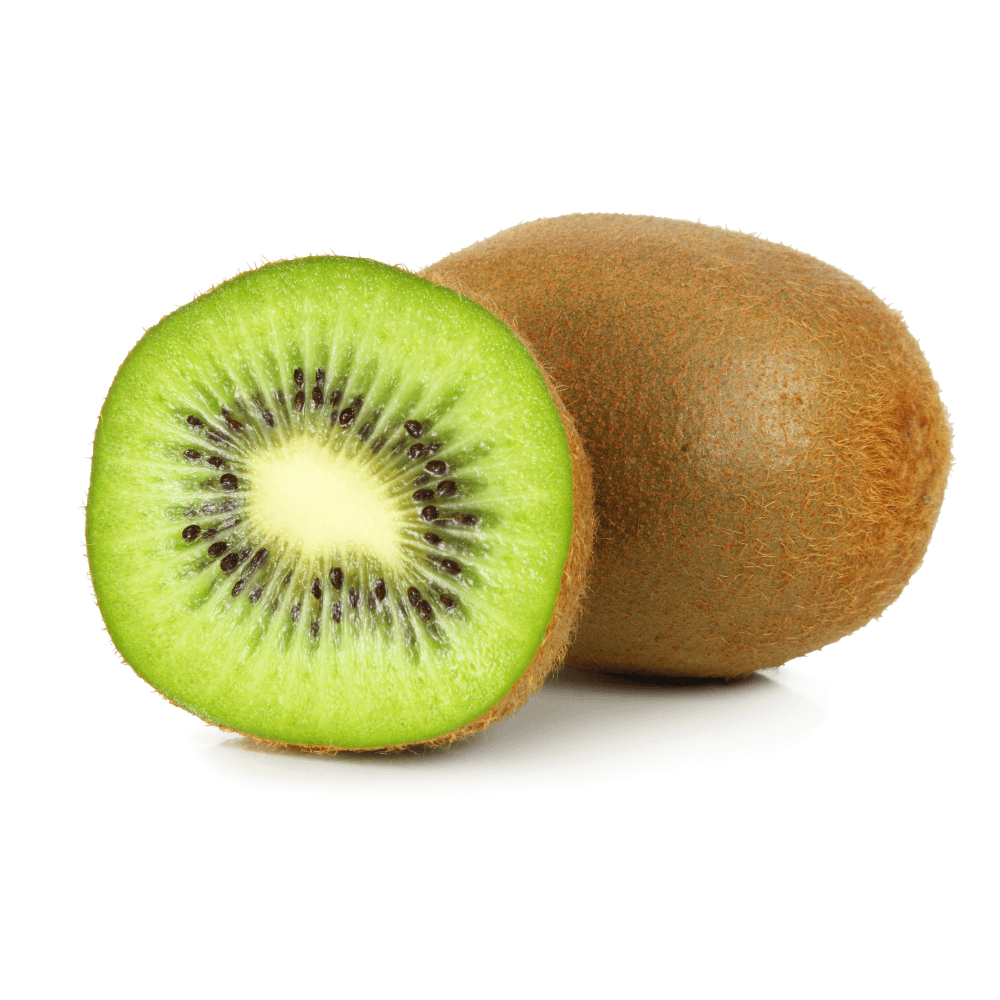
Kiwi
Flavour: Sweet and tart.
Nutrition: Kiwis are high in fibre, Vitamin C, and Vitamin K.
At The Store: Select a kiwi that’s free of soft spots, cuts, or bruises. It should feel slightly firm, but give a bit with gentle pressure.
How To Enjoy: In hand or in smoothies, salads, sorbets, and desserts.
How To Store: Loosely wrap kiwi in a plastic bag and place in the crisper draw of your fridge. Keep this tropical fruit away from apples, mangoes, and other fruits that emit ethylene gas, which can lead to spoilage.
Recipe To Try: Grilled Fruit Platter with Creamy Tri-Nut Dip
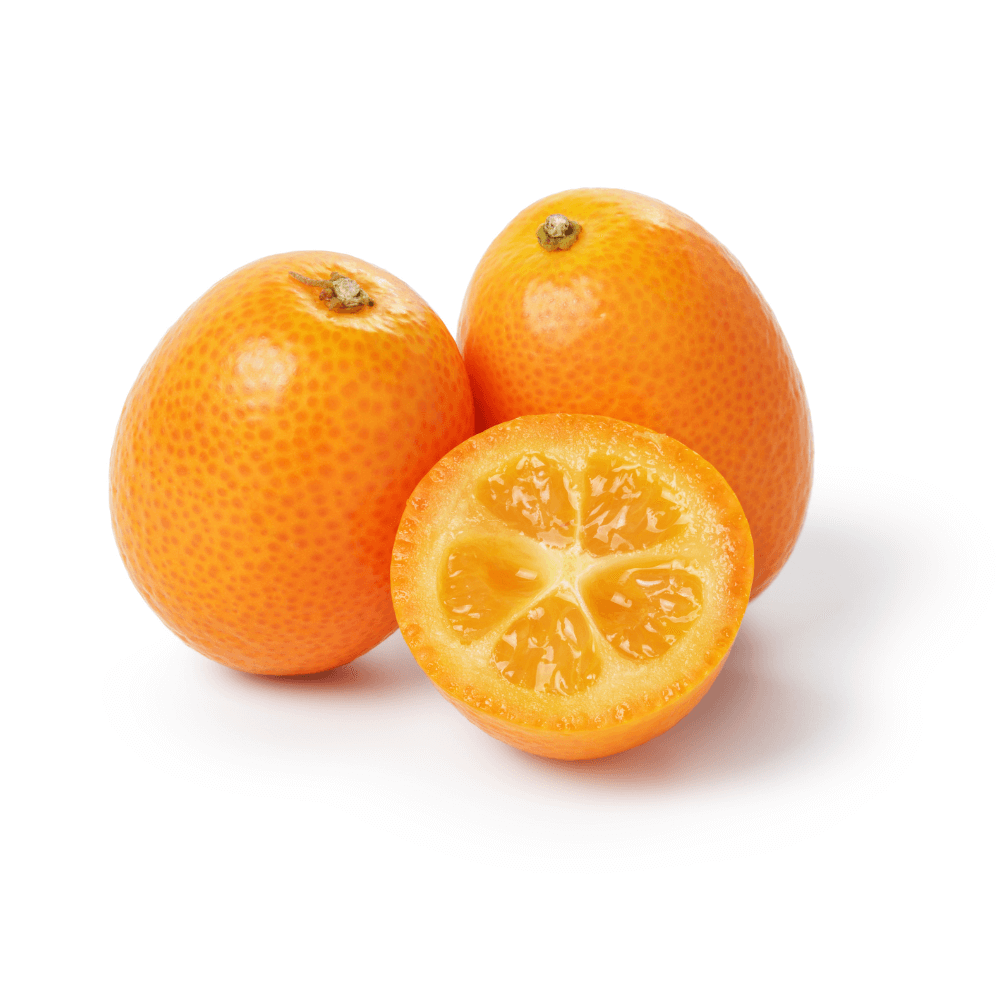
Kumquat
Flavour: Citrussy, with a sweet, tart, and tangy flavour.
Nutrition: High source of fibre, Vitamin C, and hydrating water.
At The Store: Look for bright orange kumquats with a fragrant peel. This tropical fruit should have no mushiness or brown spots. Avoid any tinged green, as they may taste bitter.
How To Enjoy: Whole as a snack, or in salads, sauces, jams, chutneys, and desserts.
How To Store: Store these tiny tropical fruits in a sealed plastic bag in the crisper drawer of your fridge for two to four weeks.
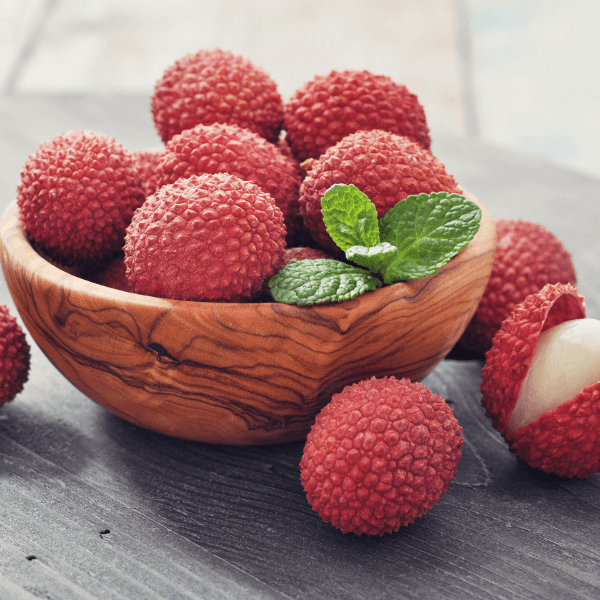
Lychee
Flavour: Sweet and floral, with notes of grape, watermelon, pear, and rose.
Nutrition: Lychee fruit is a good source of Vitamin C, Vitamin B6, folate, and antioxidants.
At The Store: Choose a lychee that has a bright reddish-pink skin that gives a little when pressed. It should have a slight floral scent.
How To Enjoy: In hand, or in salads, cocktails, smoothies, and sorbets.
How To Store: Wrap this tropical fruit in a paper towel and store in a sealed plastic bag in the fridge, or the freezer.
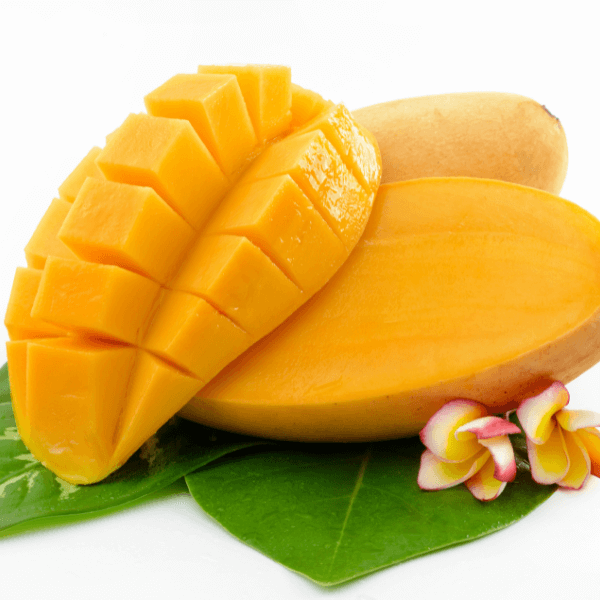
Mango
Flavour: Very sweet, juicy, and just a touch sour.
Nutrition: Mangos are rich in Vitamins A and C, as well as potassium.
At The Store: Look for a firm fruit that yields slightly to pressure, like a peach or nectarine.
How To Enjoy: In hand as a snack, alongside grilled meats and fish, or in sorbets, smoothies, salsas, and salads.
How To Store: Keep unripe mangoes on the counter. Once ripe, they can be kept in the fridge for up to five days.
Recipe To Try: Thai Style Mango Sticky Rice
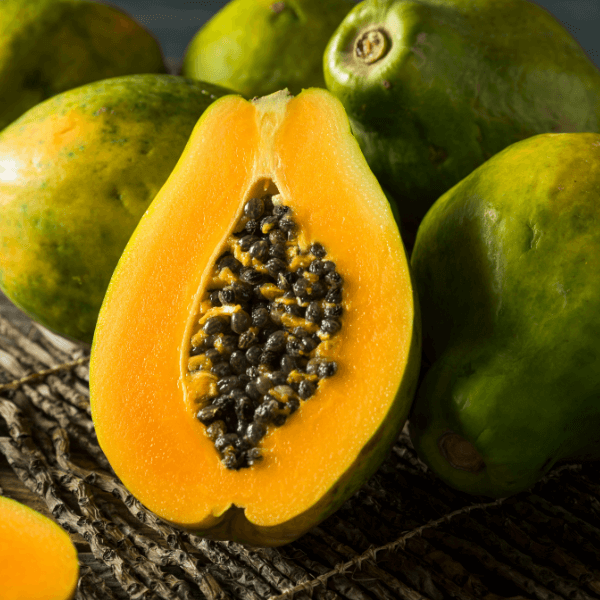
Papaya
Flavour: Juicy, sweet, and mild.
Nutrition: Very high in Vitamin C, folacin, and potassium.
At The Store: Look for a papaya with no soft spots or bruises. For a ripe, ready-to-eat papaya, choose one with tinges of gold or orange. For a less ripe papaya, go for the green!
How To Enjoy: Cut this tropical fruit in half lengthwise and scoop out the seeds. Use it in salads, salsas, smoothies, juices, and more!
How To Store: Enjoy ripe papaya immediately. Keep unripe papaya at room temperature and refrigerate when cut.
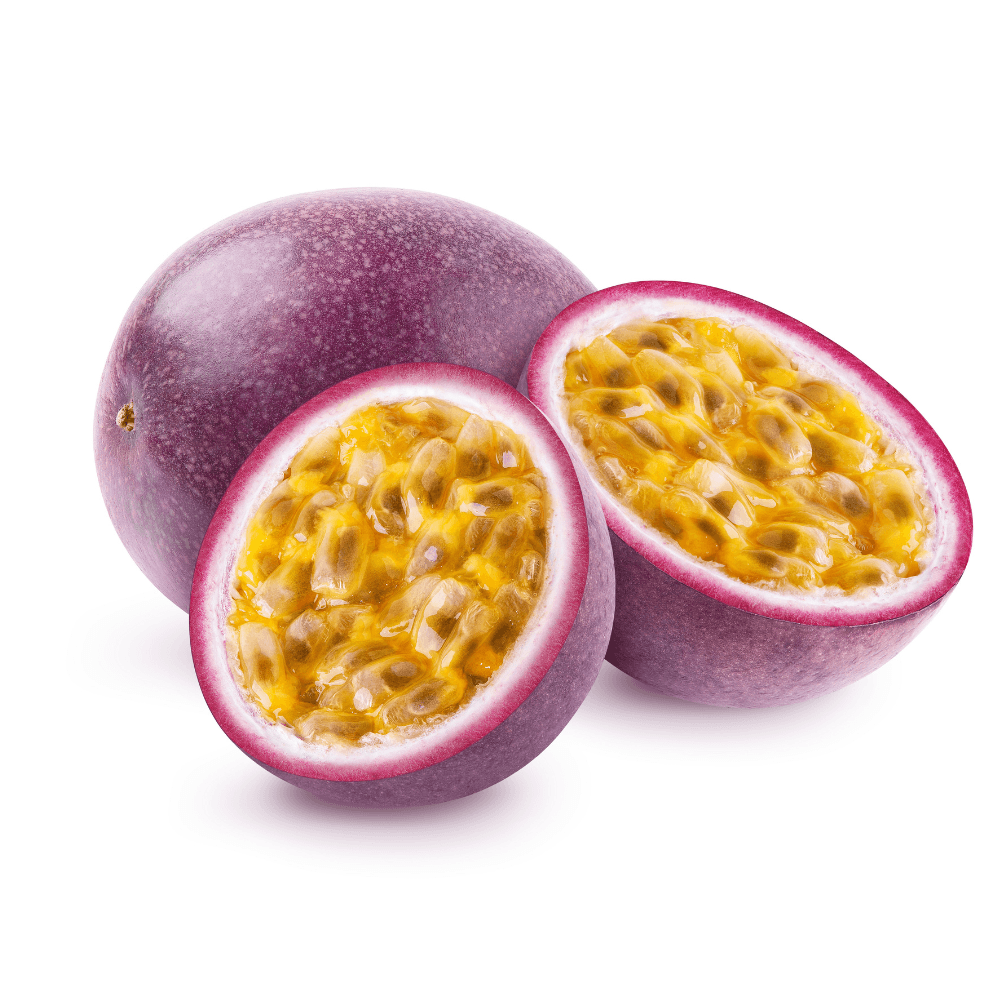
Passionfruit
Flavour: Citrussy with notes of pineapple and mango.
Nutrition: Good source of fibre, Vitamin C, Vitamin A, iron, and potassium.
At The Store: Select a passionfruit that has a deeply coloured, slightly wrinkled skin. It should feel plump and heavy for its size and give slightly when pressed.
How To Enjoy: Cut off the top of your passionfruit and scoop out the pulp and seeds to eat. Enjoy it as-is, or in jams, juices, sauces, baked goods, yogurt, and more.
How To Store: Store whole passionfruit on the counter for up to a week, or in a plastic bag in the fridge for two to three weeks.
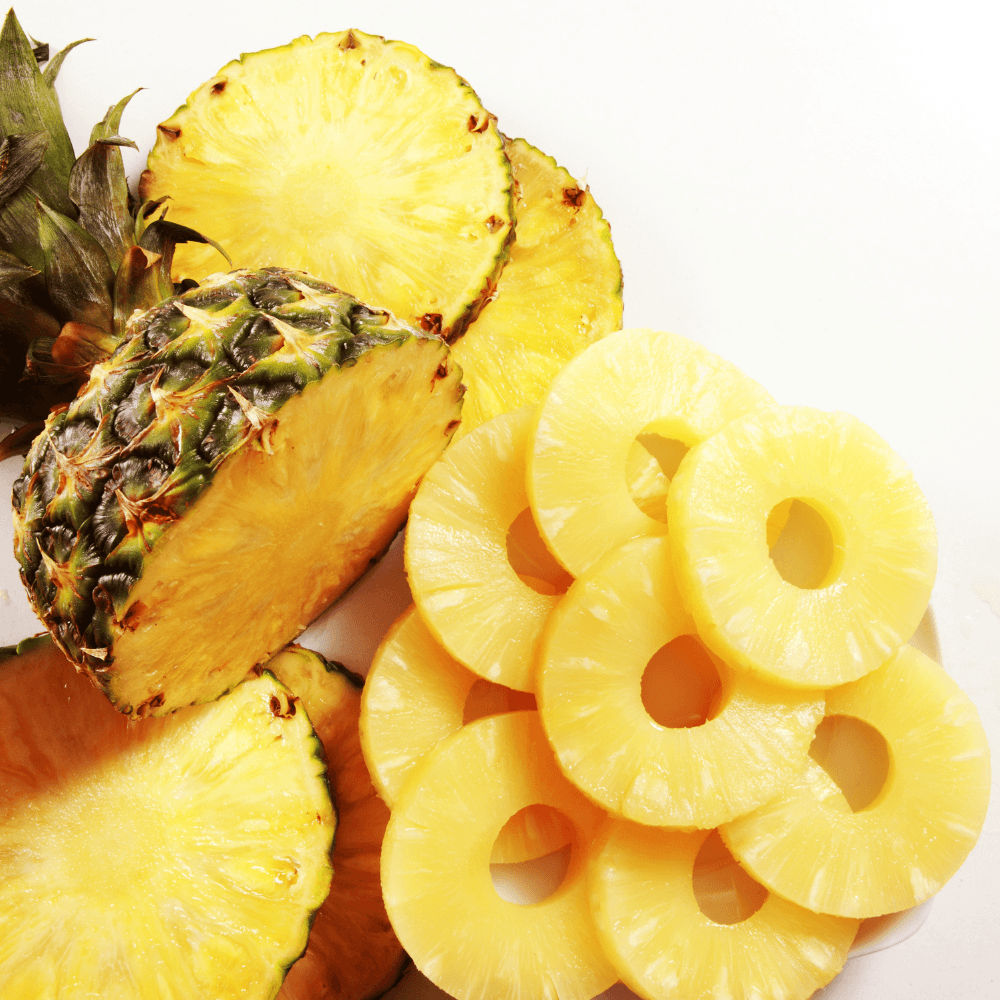
Pineapple
Flavour: Sweet, juicy, and slightly tart.
Nutrition: Pineapple is loaded with Vitamin C, manganese, Vitamin B6, copper, and more.
How To Choose: Look for a mostly golden yellow pineapple. It should have a sweet tropical smell at the base. This tropical fruit should feel firm with a slight give and the leaves should pull out easily.
How To Enjoy: Sliced, grilled, in smoothies, atop a burger, and in baked goods.
How To Store: Whole pineapple should be kept at room temperature. Cut pineapple should be placed in an airtight container in the fridge for up to a week.
Recipe To Try: Very Berry Fruit Salsa
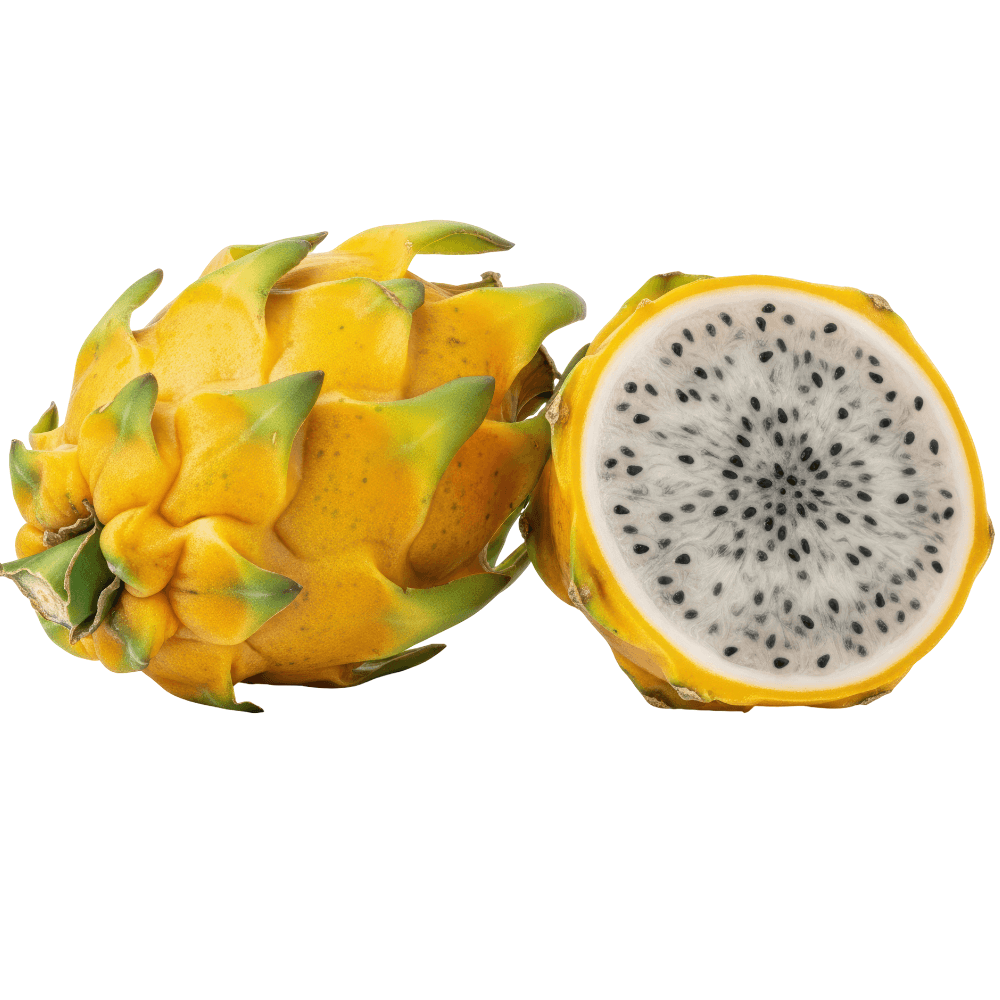
Pitahaya (Yellow Dragonfruit)
Flavour: Like a cross between a kiwi and a pear, with a mild, slightly floral taste.
Nutrition: Source of magnesium, calcium, Vitamin C, fibre, and more.
How To Choose: Look for a fruit that has vibrantly coloured skin with no brown spots and feels heavy for its size. It should have a slight give, but not feel mushy.
How To Enjoy: Chilled and served in salads, yogurt, and salsas, or cooked into compotes, jams, and baked goods
How To Store: Uncut, unwashed pitahaya can be kept on the counter to ripen naturally. To slow down the ripening process, place pitahaya in a sealed container in the fridge for up to two weeks.
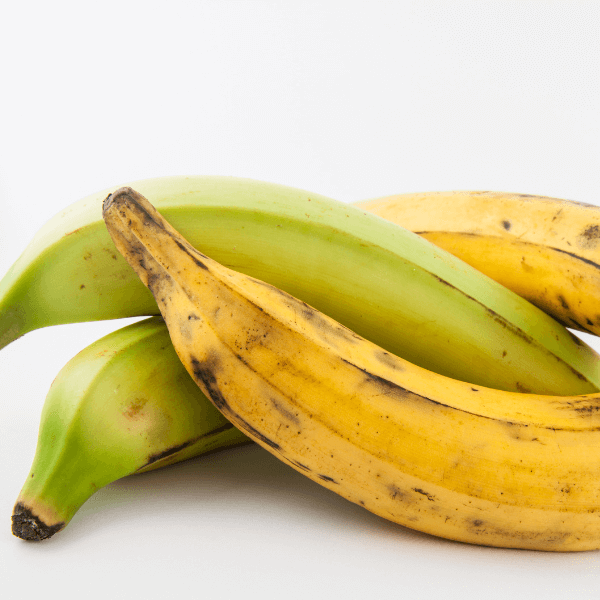
Plantain
Flavour: Green plantains are hard and starchy, similar to potatoes. Yellow and black plantains are sweeter and closer to a banana.
Nutrition: High in potassium and Vitamins B and C.
How To Choose: A ripe plantain is mostly black, with a bit of yellow, and is still firm to the touch when squeezed.
How To Enjoy: Plantains are best cooked, especially green ones. Try them mashed, grilled, fried into chips, or baked. They pair well with pork, beans, chicken, and seafood.
How To Store: Keep plantains at room temperature. Do not refrigerate them. Do not stack them to prevent bruising.
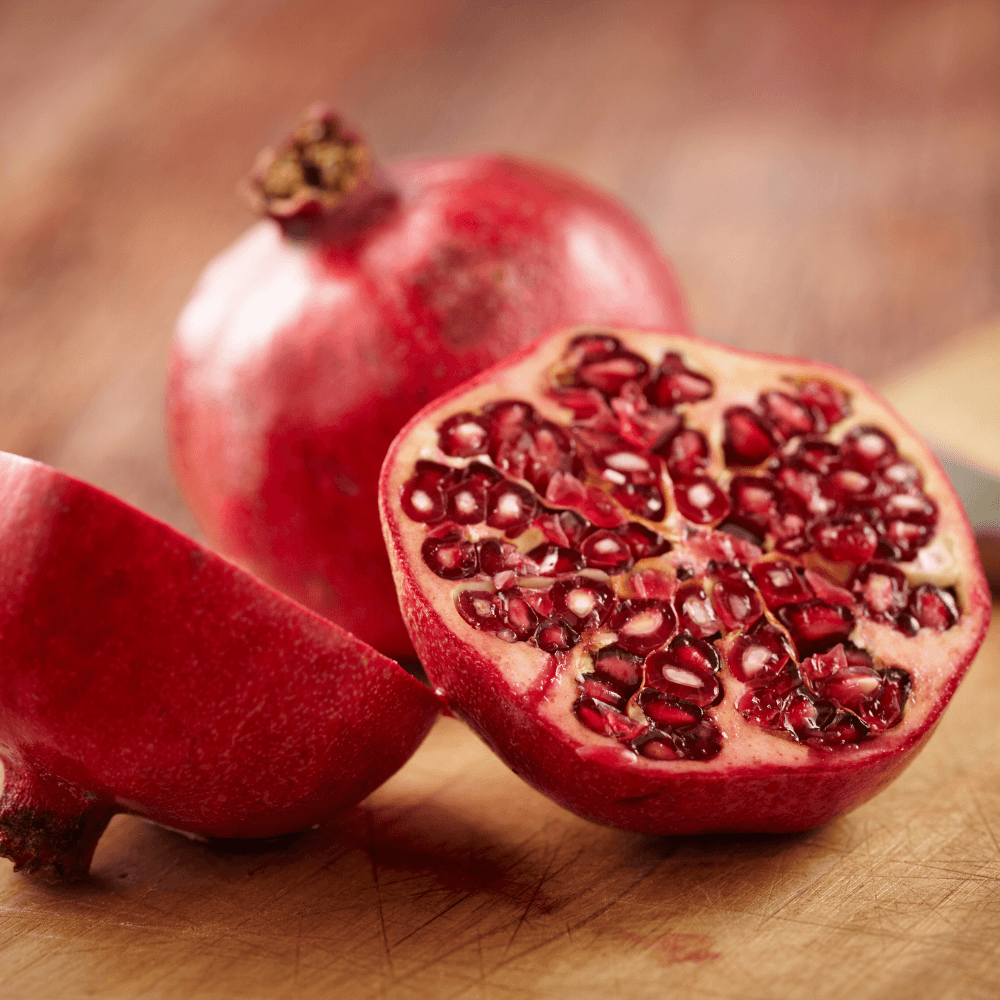
Pomegranate
Flavour: Sweet, tart, and juicy, with a hint of bitterness.
Nutrition: High in fibre, Vitamin C, folate, and potassium, as well as magnesium and phosphorous.
How To Choose: Look for a pomegranate with a deep red, tight skin and an open crown. It should feel heavy for its size, and may even be bursting—that’s a pomegranate that’s ready to enjoy!
How To Enjoy: Enjoy pomegranate arils as a snack or in smoothies, salads, beverages, or as a garnish.
How To Store: Store whole pomegranates on the counter out of direct sunlight for one to two weeks, or in the fridge for one to two months. Pomegranate seeds can be stored in the fridge for up to five days.
Recipe To Try: Winter Orange and Pomegranate Salad with Candied Pecans
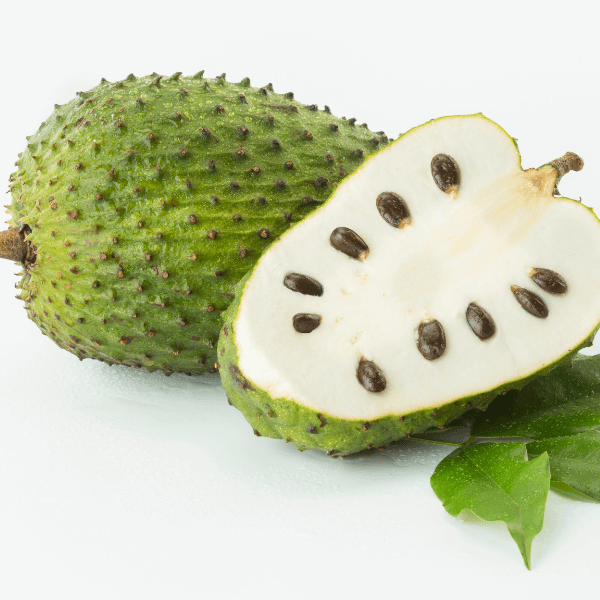
Soursop
Flavour: Sweet, slightly sour, and musky, with notes of banana, strawberry, coconut, mango, and pineapple.
Nutrition: High in fibre and Vitamin C and source of magnesium, iron, and potassium.
How To Choose: Select a soursop that gives to slight pressure.
How To Enjoy: Cut this tropical fruit in half and discard the seeds. Scoop out the flesh with a spoon and use in juices, salads, smoothies, and desserts.
How To Store: Keep whole soursops at room temperature until ripe. Ripe soursop will keep for two to three days in the fridge.
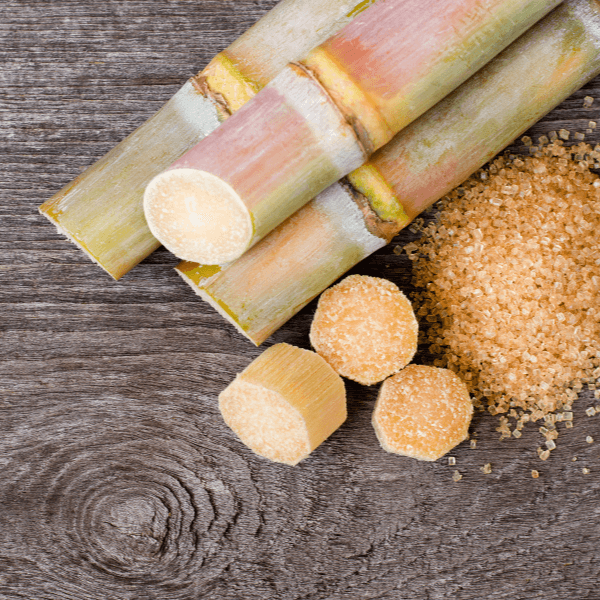
Sugar Cane
Flavour: Sweet and starchy with a vanilla flavour.
Nutrition: Rich in calcium, magnesium, potassium, fibre, and vitamins.
How To Choose: Look for golden or dark purple stalks that are firm.
How To Enjoy: Peel your sugar cane before enjoying. Try it as a snack or turned into rum, syrup, and molasses.
How To Store: Keep sugar cane in the fridge.