Blog Overview
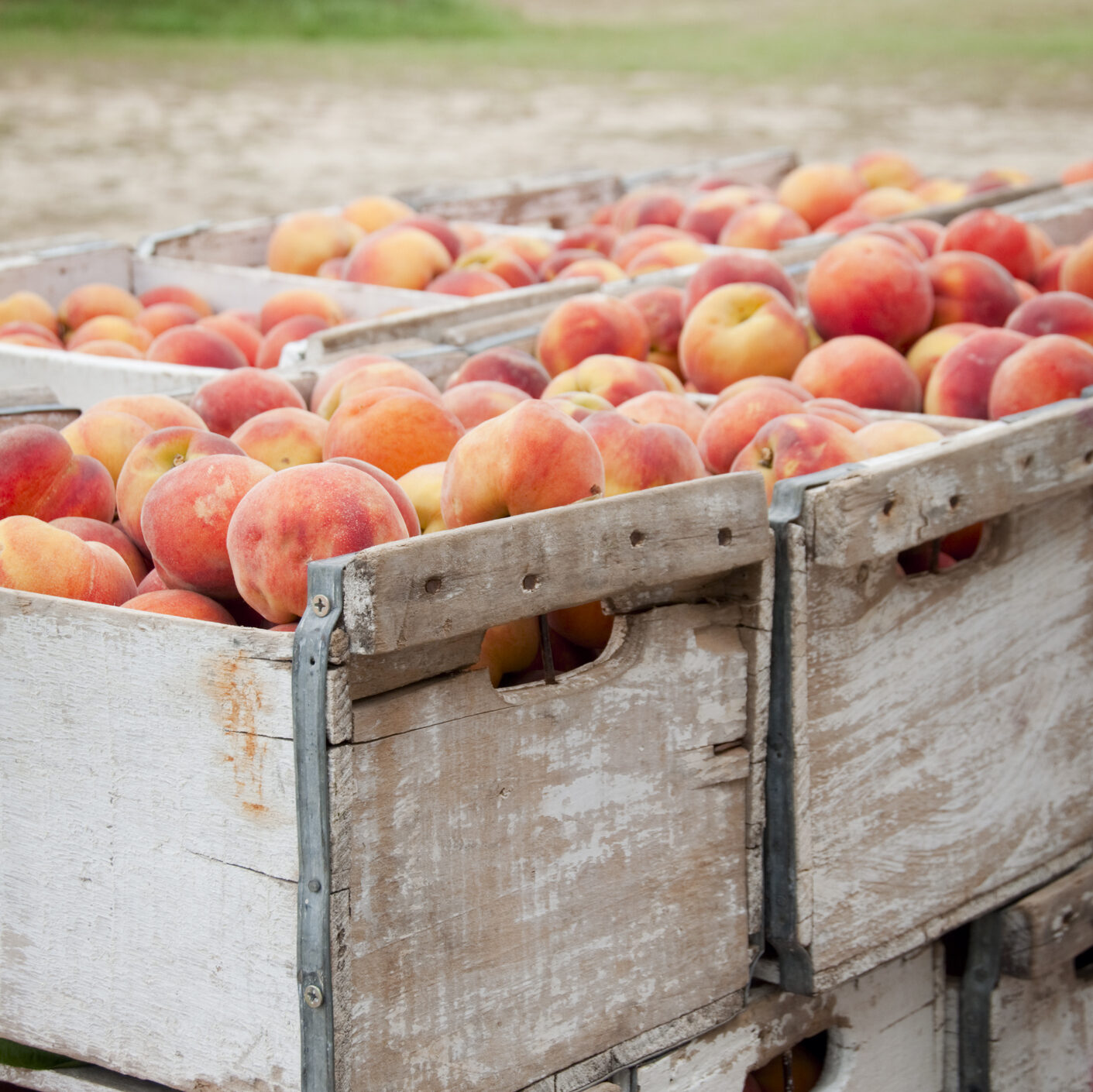
Peaches are in season in Ontario from June through September. The season is broken down by variety, with clingstone peaches available from May to August, semi-freestone in mid-July to mid-August, and freestone peaches from mid-August to the end of September.
Peach Season in Ontario
In the summertime, we look forward to the vibrant and juicy fruits that offer us crisp and refreshing tastes to cool down from the hot sun. This is a time where many of the fruits associated with the summer season reach peak ripeness and flavour. From June through September, Ontario produces some of the sweetest peaches available. Be sure to check out our flyer for great deals on these delicious peaches in-store!
You can use these stone fruits in all sorts of ways, whether it’s in a sweet peach crumble, a spicey chutney, or on the smoky barbecue. As you scroll down, you’ll learn about where they come from, ways to enjoy them, and a few interesting facts you may not have known about this scrumptious fruit!
Where Are Peaches Grown in Canada?
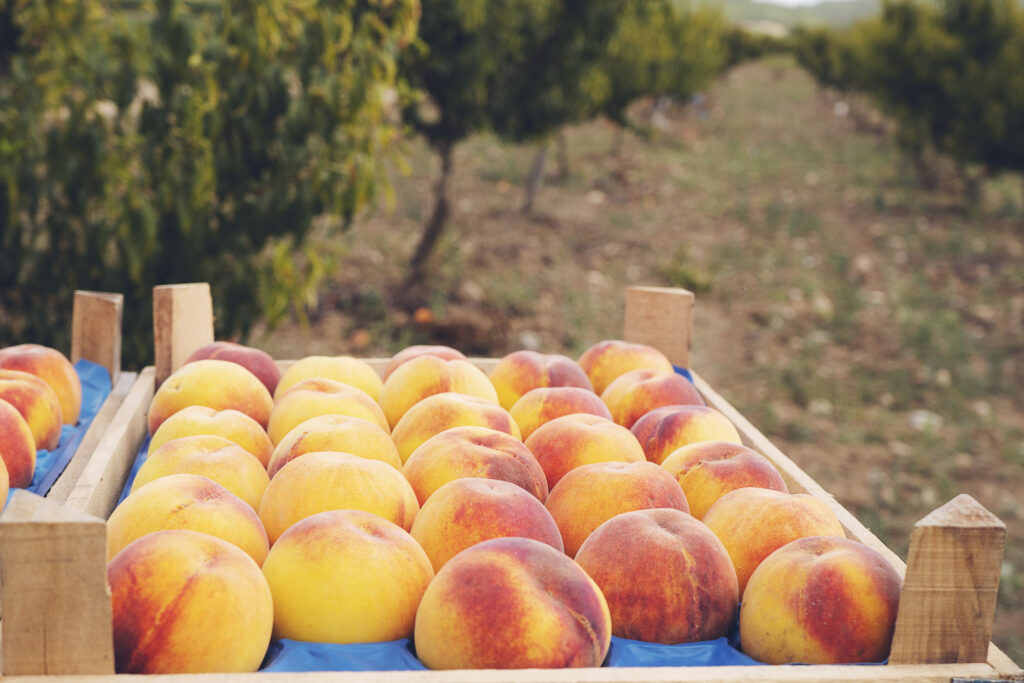
Stone fruits like peaches, apricots, and nectarines require moderate to temperate climate conditions for a successful crop. This means that seasonal changes and weather patterns need to be relatively consistent to ensure that the delicate fruits can survive. Over 90% of Canada’s stone fruits, including peaches, are grown in Ontario’s Niagara Peninsula. This region, known as the “Niagara Fruit Belt,” has a unique climate created by Lake Ontario and the Niagara Escarpment, which is ideal for growing these fruits.
The lake plays a major role in the local climate’s stability by absorbing heat during the summer months and slowly releasing it during the winter, therefore extending the growing season. It also warms cool breezes in the winter and cools down hot breezes in the summer to create more stable temperatures.
Peachy Tidbits
- Over 80% of Canadian-grown peaches are grown in Niagara.
- Peaches also grow along the southern-most areas of Ontario along Lake Erie.
- They can grow right into the fall season.
- There are three main categories that peaches are classified under.
- Clingstone – varieties where the flesh sticks to the stone (seed).
- Available May to August.
- Semi-freestone – varieties where flesh slightly clings to the stone.
- Available mid-July to mid-August.
- Freestone – varieties where the flesh easily separates from the stone (seed).
- Available mid-August to the end of September.
- Clingstone – varieties where the flesh sticks to the stone (seed).
What to do with them:
Pick ’em.
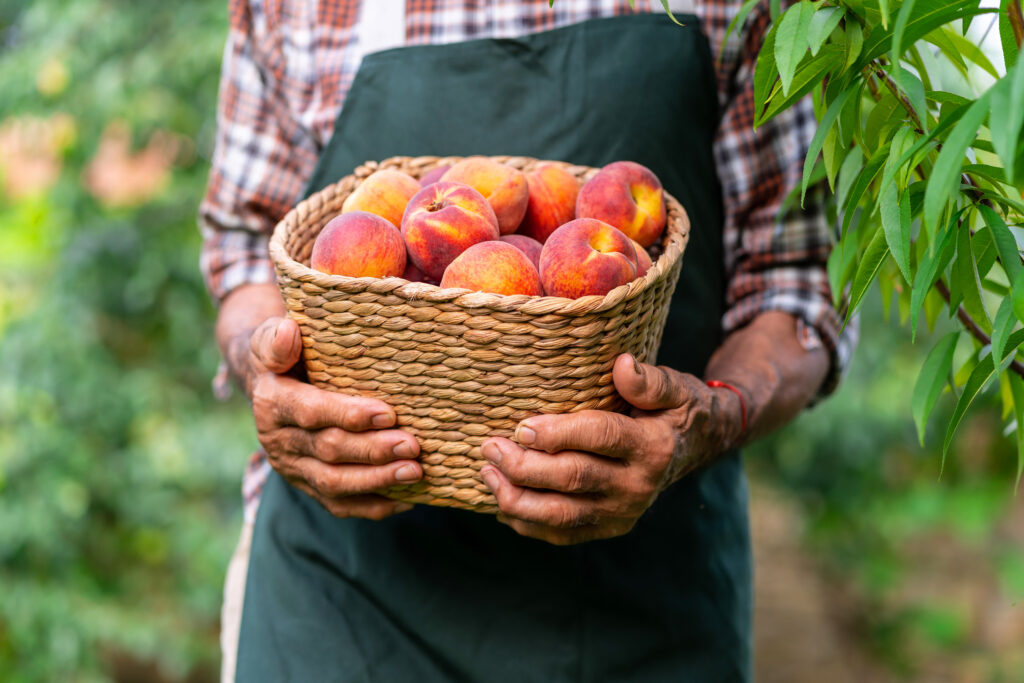
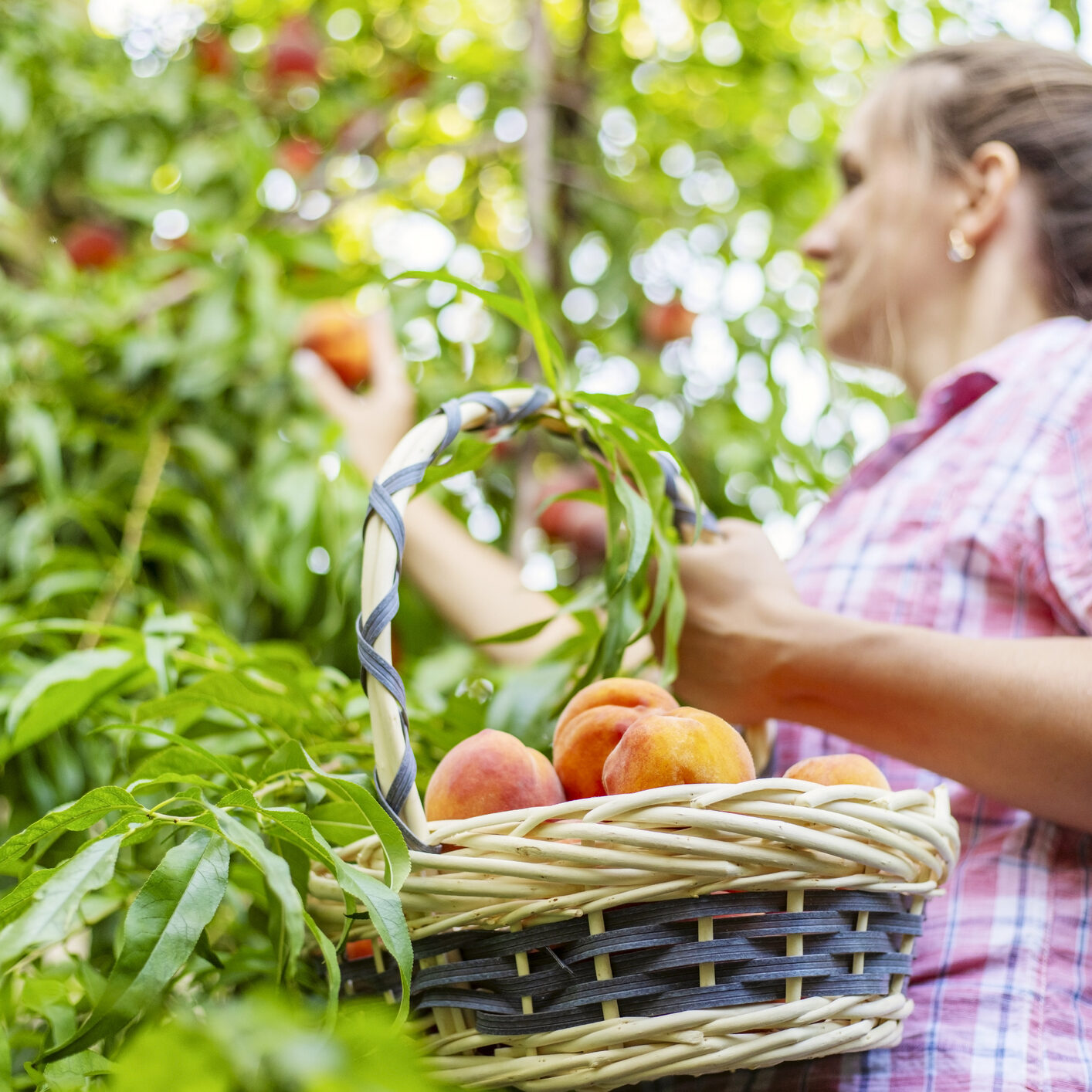
Summer is the best time to get acquainted with nature and learn about all the wonderful kinds of local produce available. For us, having a strong connection with how foods are grown, raised, picked, and prepared is central in understanding the value of all the ingredients we source. A “pick-your-own” experience is a wonderful way to enjoy fresh, ripe Ontario peaches at their peak. Plan a trip to the beautiful orchards where these delicious stone fruits grow and explore the culinary landscape of the surrounding towns!
Check out this link for some helpful tips on where to start: Ontario’s Best Peach Picking Spots | Ontario Culinary
How to Choose Ripe Peaches:
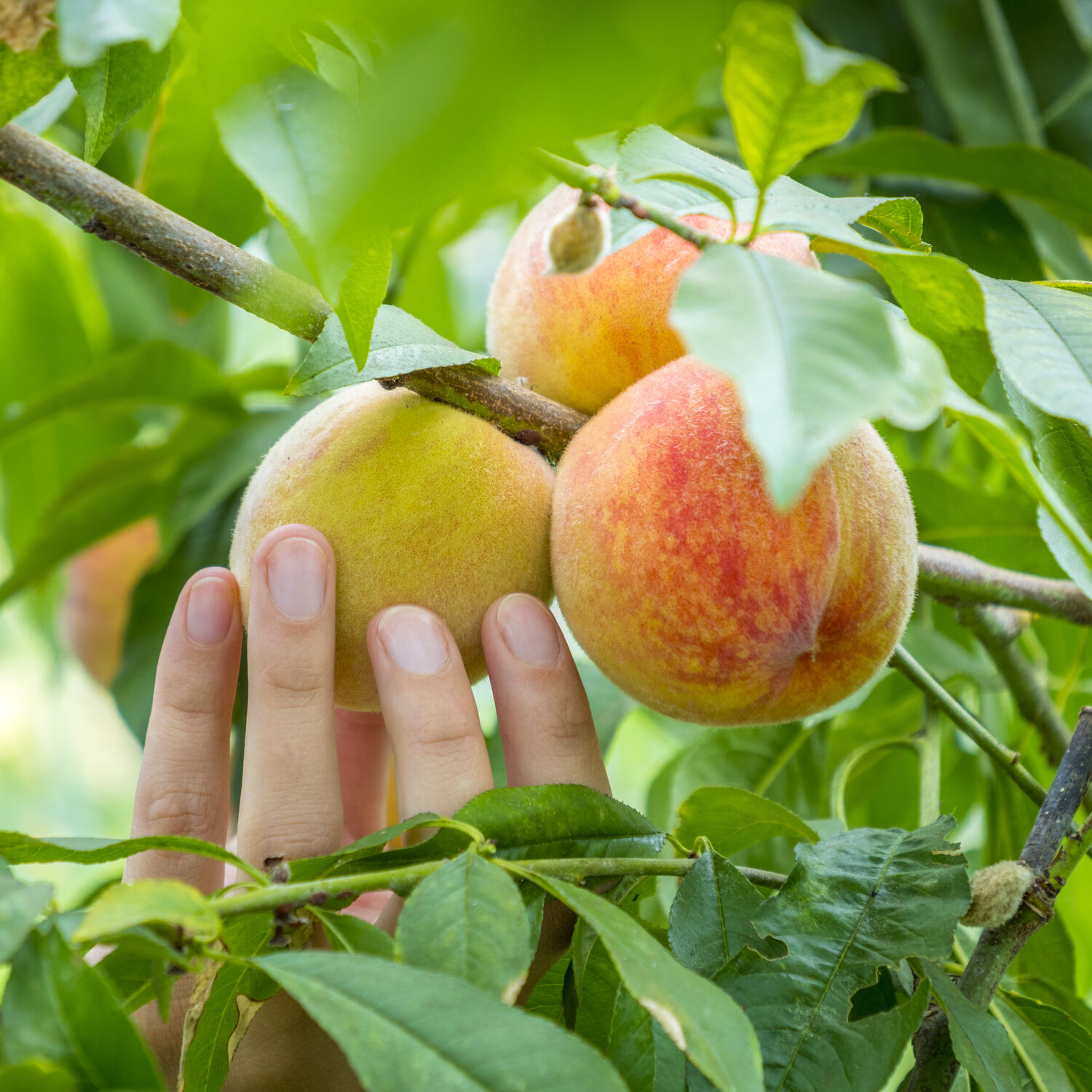
When selecting peaches, look for these signs of ripeness:
- Colour: A vibrant mix of deep yellow and blush.
- Feel: Skin should be tight and slightly fuzzy.
- Firmness: The peach should feel firm but have a slight “give” when gently squeezed.
- Smell: A classic “peachy” fragrance is a good indicator of ripeness.
Firmness Levels (Ripeness)
Like many fruits, ripe peaches should feel dense and have a good weight when being handled and selected. Generally, the flesh should be firm with a slight tenderness to the touch. Here is a firmness guide to give you an idea on how to choose your fruit according to touch:
Baseball-hard – Very firm and were most likely picked before optimal harvesting time. These peaches will not have the taste you are looking for.
Tennis ball hardness – They have a firm but bouncy texture that can last longer until you are ready to eat them. These are great if you are planning to eat them later in the week and will ripen over time. If you like firmer peaches, this would be the time to enjoy them.
Optimal hardness – The flesh has a firm texture, but if you squeeze a little harder the peach begins to “give”. They are perfect for eating or using in recipes like peach cobbler or peach crisp because they will maintain their shape well during cooking.
Soft – These peaches are tender to the touch and will bruise if squeezed. They are the perfect texture to eat by hand or on a fruit platter.
Ultra-soft – These peaches are VERY soft and can bruise easily from their own weight. They may be considered over-ripe, but have a very juicy texture. Enjoy as a messy snack, in chutneys, or sauces!
Storing Suggestion
- Wash only when you are ready to eat them!
- Lay them in a single layer outside of their original container.
- Sort according to ripeness.
- Firm – they have a bouncy texture and can be stored at room temperature until they reach the desired ripeness.
- Ripe – they have a slightly firm texture and can be put in the fridge or eaten right away.
- Softer – they should be eaten the day of purchase or shortly after.
Eat ’em.
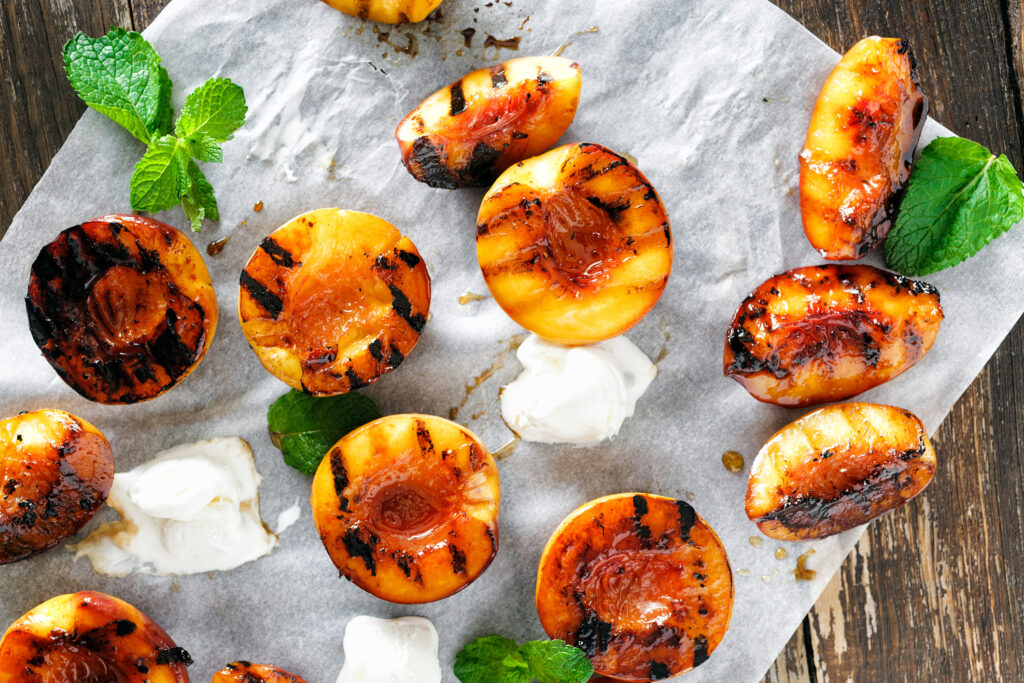
How to Use Peaches
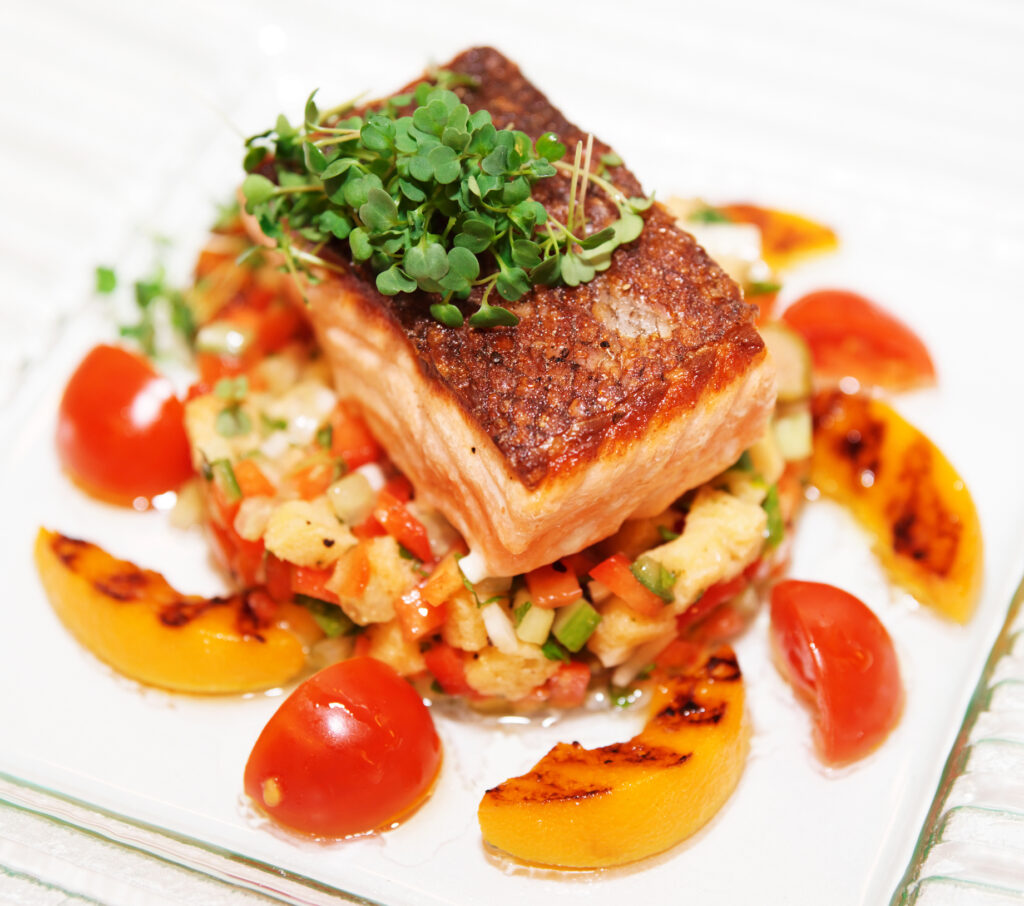
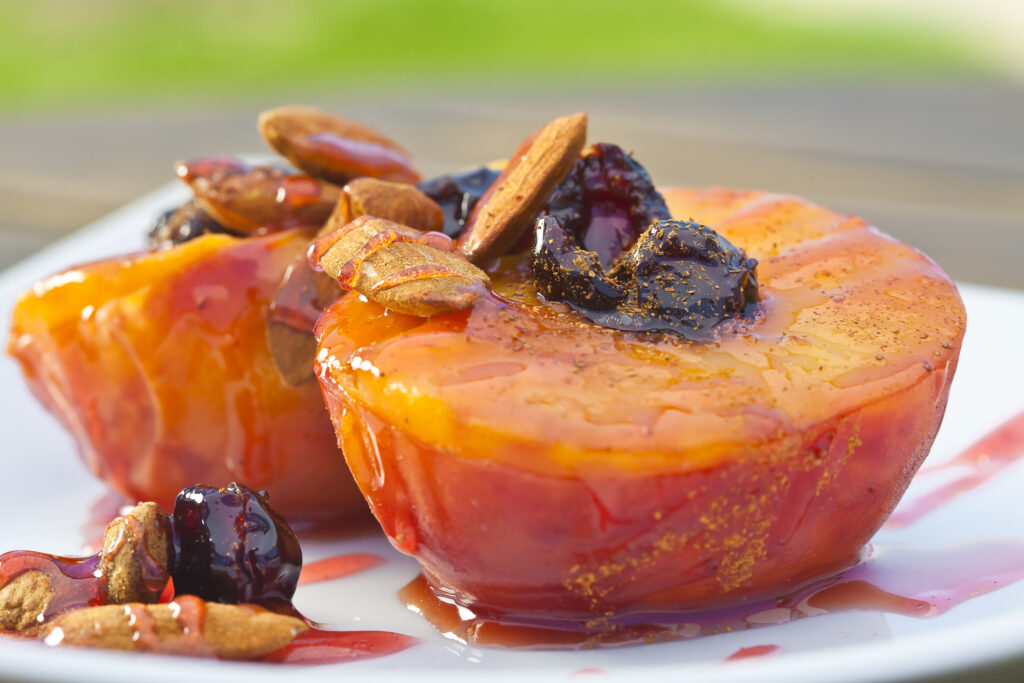
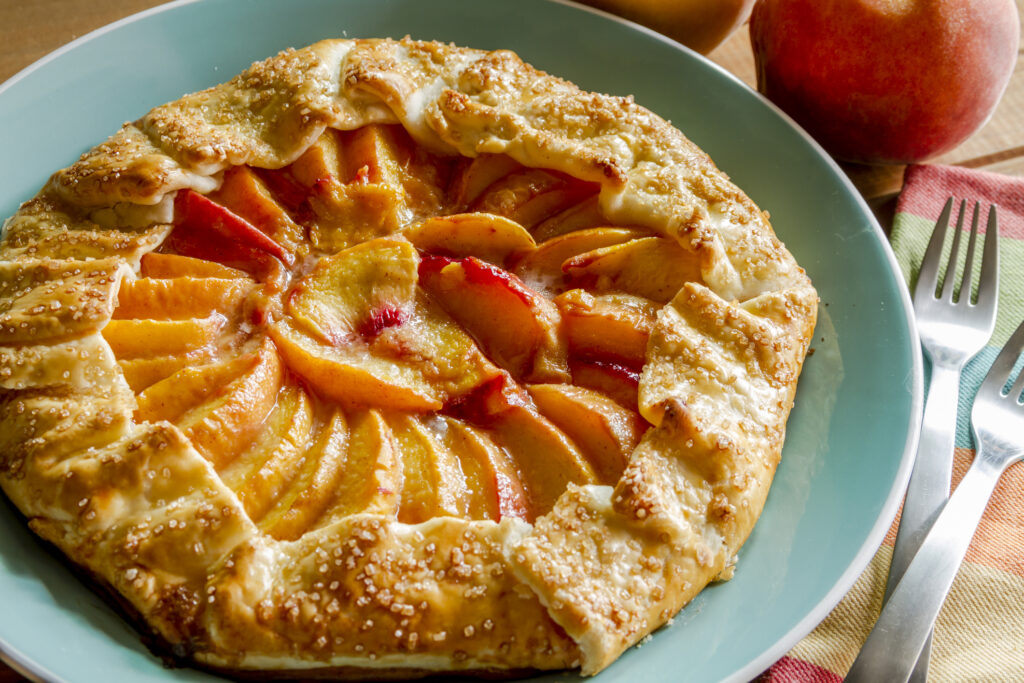
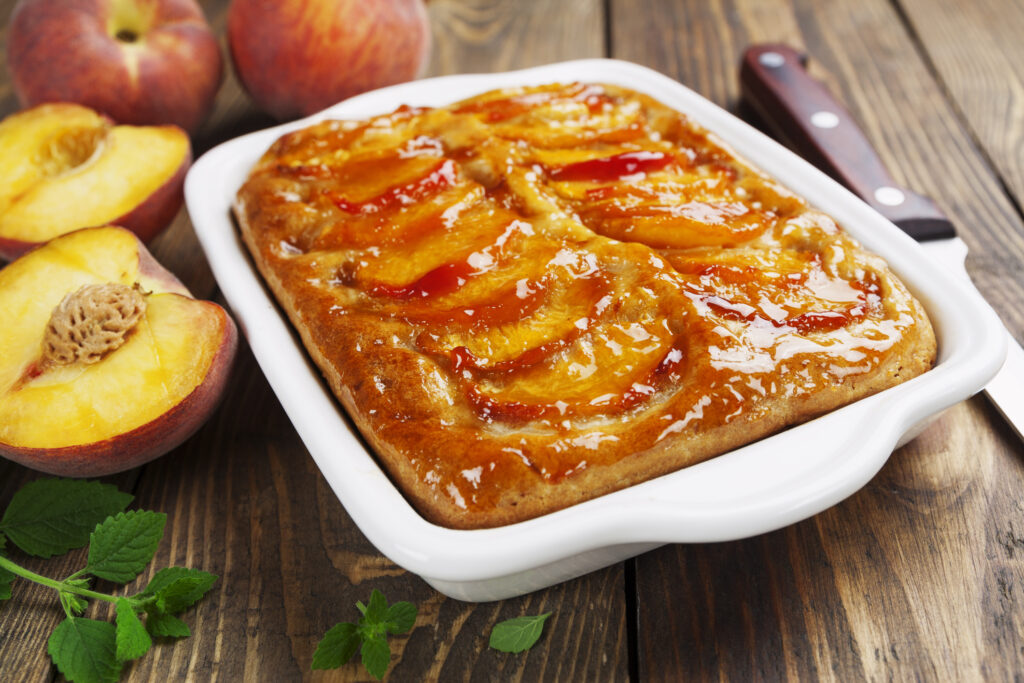
Peaches are a versatile fruit that can be used in both sweet and savory dishes.
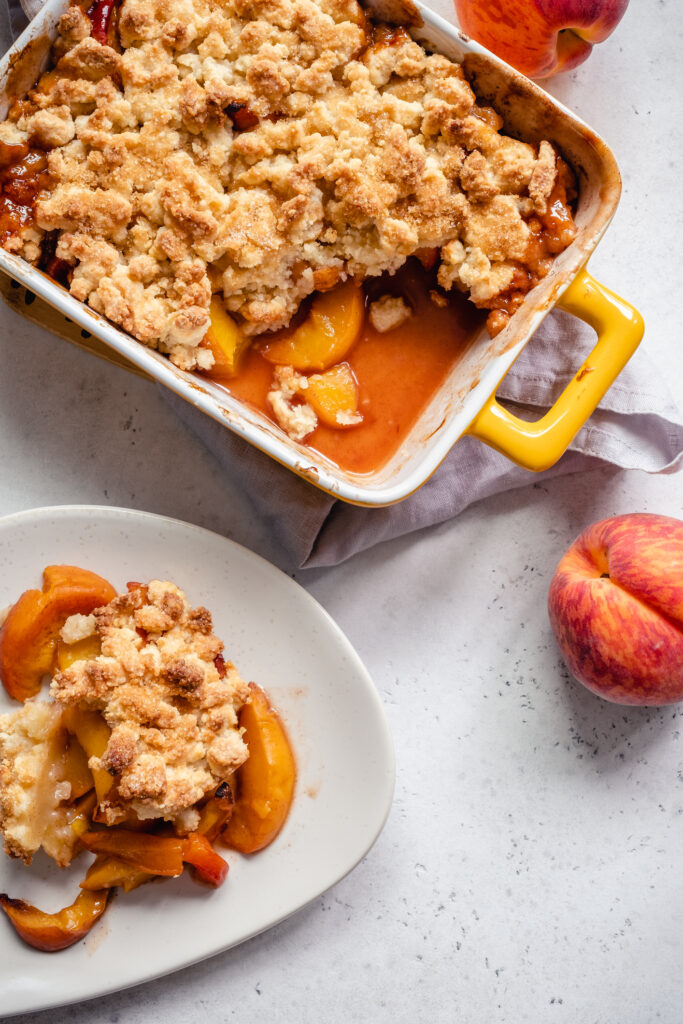
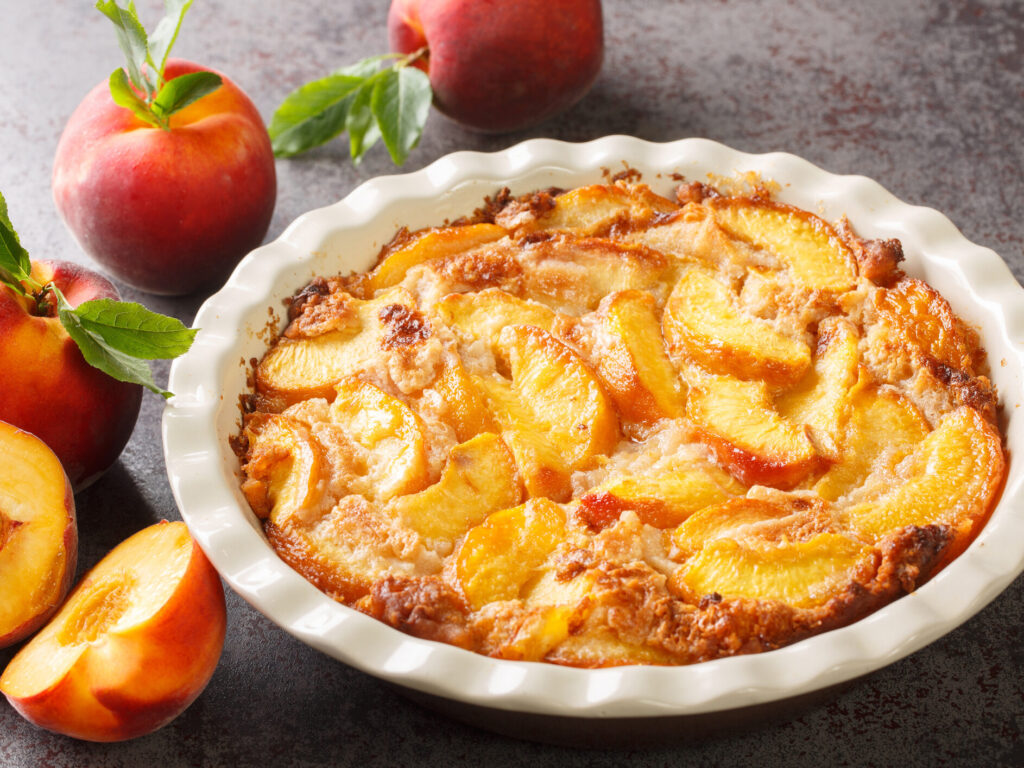
- Sweet: Perfect for classic desserts like peach crumble or peach cobbler.
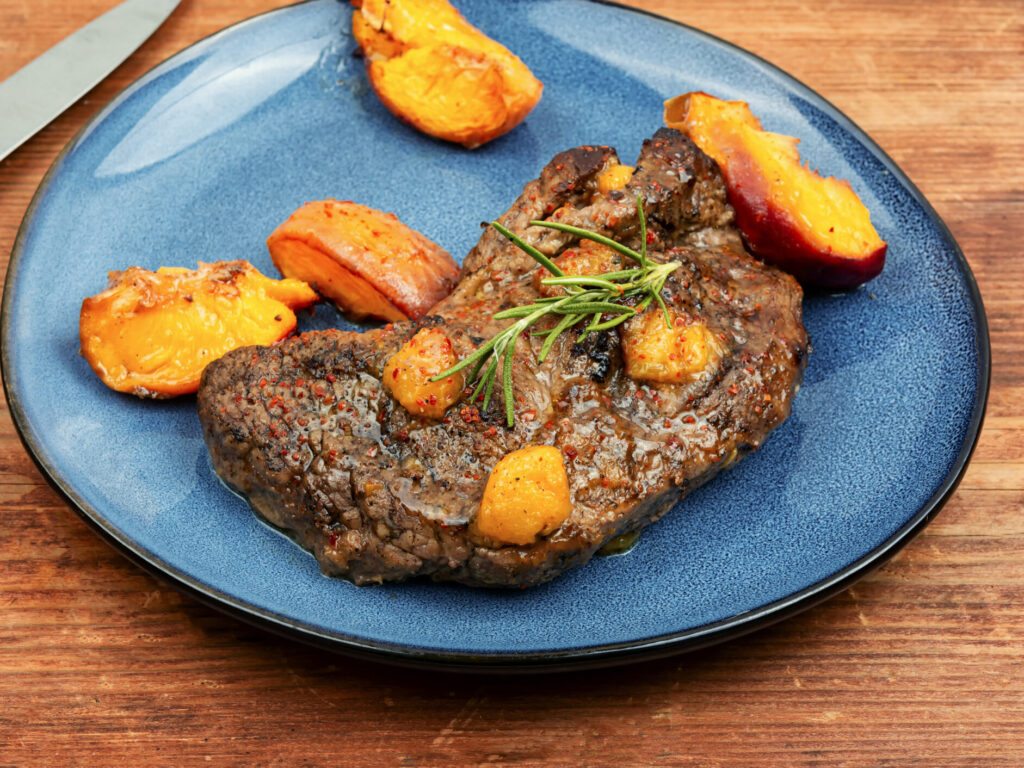
- Savoury: Grill them and pair with meats like pork or chicken, or use them in a spicy peach chutney.
- Preserving: To enjoy peaches year-round, you can freeze them for later use or can them in a simple syrup.
Recipes and ideas!
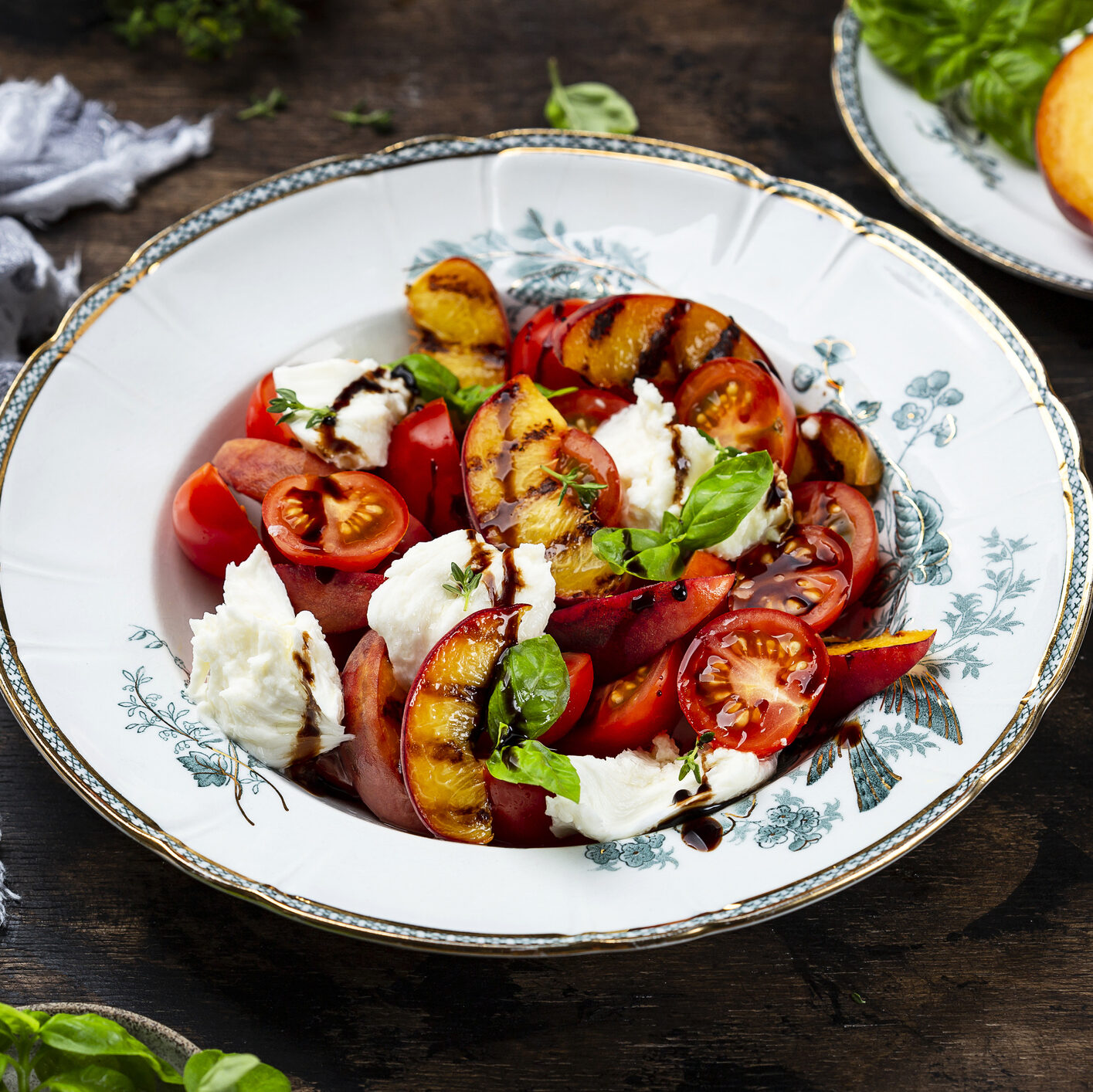
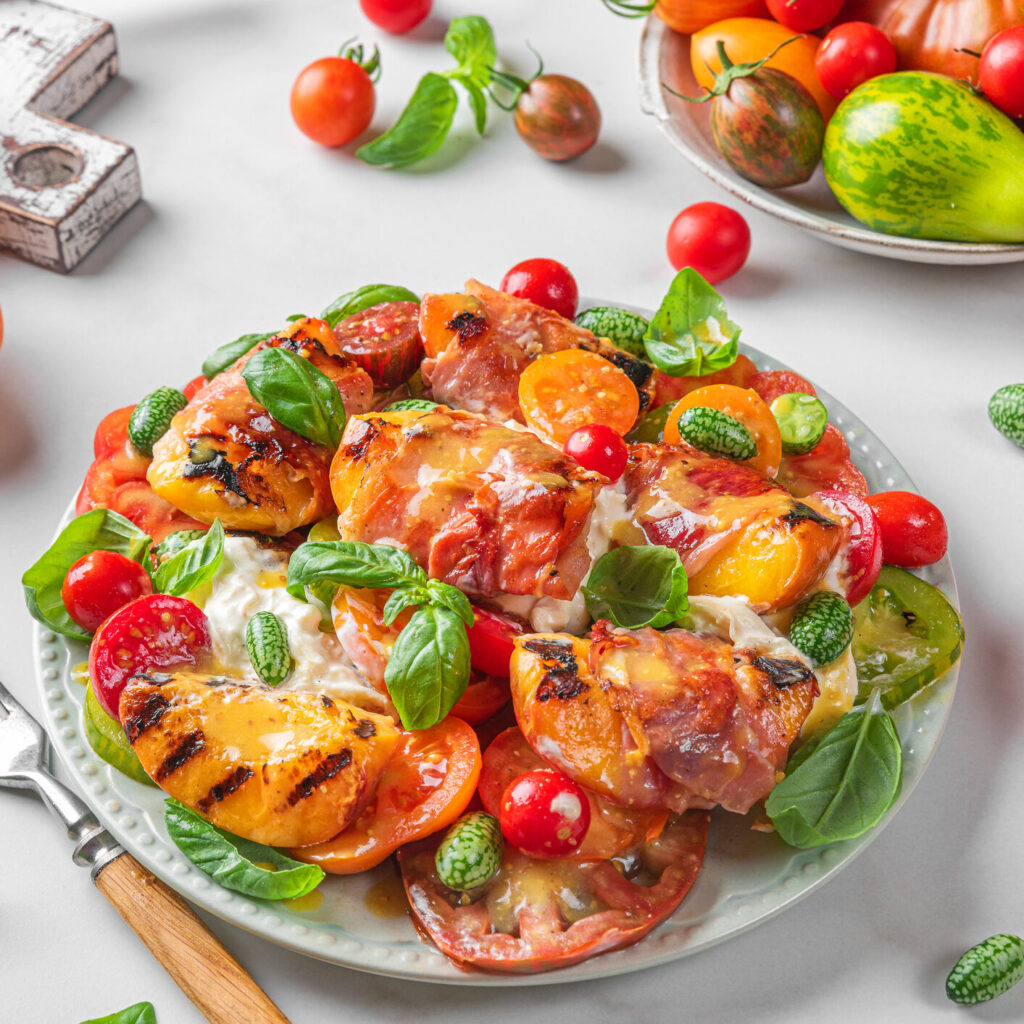
Grilled Peach Caprese
Ingredients: peaches, mozzarella cheese, basil, cherry tomatoes, balsamic vinegar, olive oil, salt, pepper.
A symphony of fresh summer flavours creates a harmonious bite to delight your palate. Aromatic basil, smoky peaches, juicy cherry tomatoes, syrupy balsamic, nutty olive oil, and salt and pepper combine to make a seasonal version of this classic salad.
Hack: Try making a quick dressing with our Caramelized Onion & Balsamic Compote.
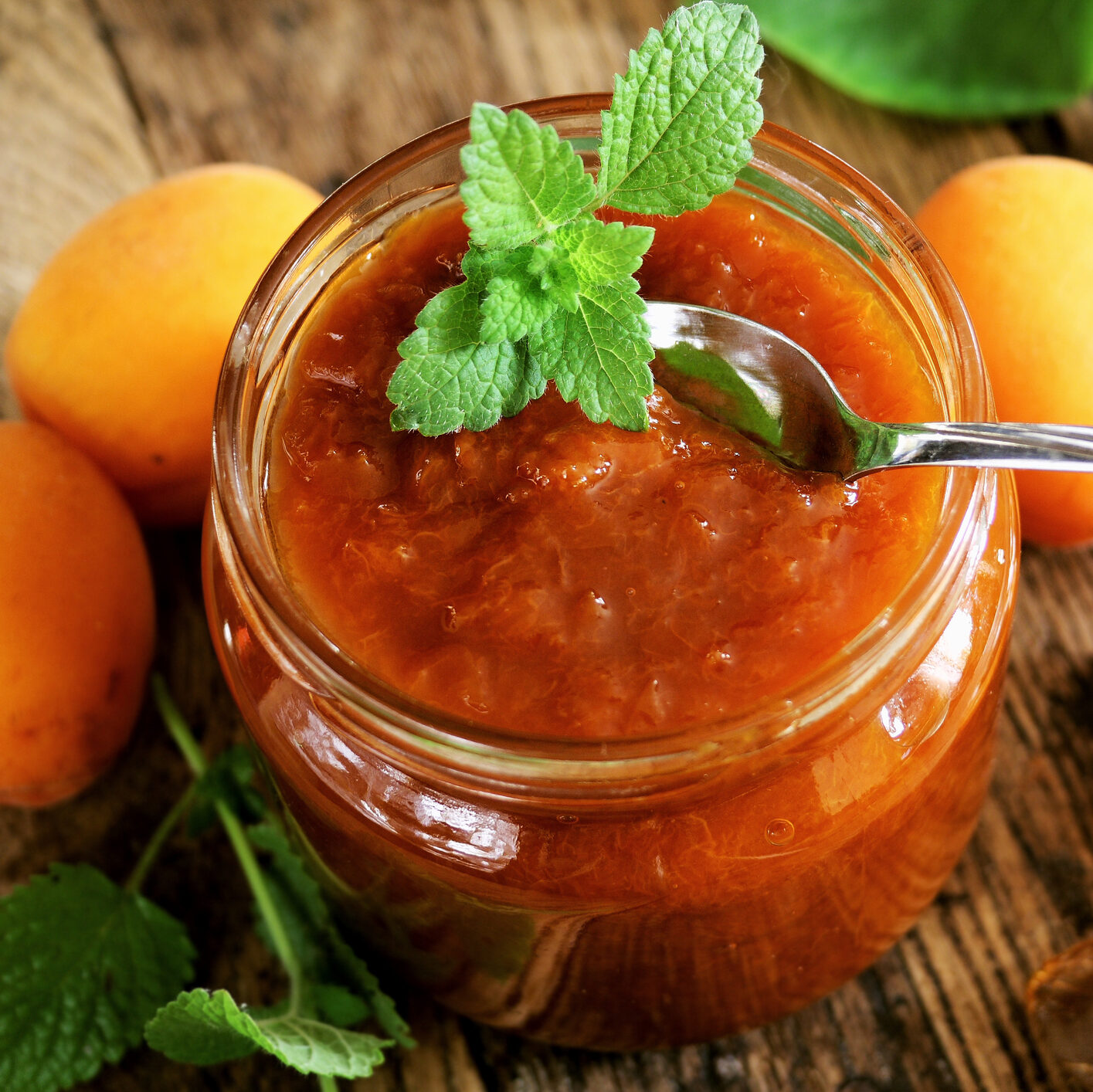
Spicy Peach Chutney
Ingredients: peaches, fresh chili, chili flakes, cinnamon, cardamom, cumin, ground cloves, nutmeg, sugar, salt, pepper, garlic, ginger.
This spiced, jam-like sauce is the ultimate condiment for proteins, on rice, or to make sweet and spicy dressings. Simply cook ingredients in a pan until tender, roughly blend, and enjoy. Enjoy warm or chilled!
Hack: Use frozen peaches, our Peach Jam, and our Tandoori Spice for an easy chutney.
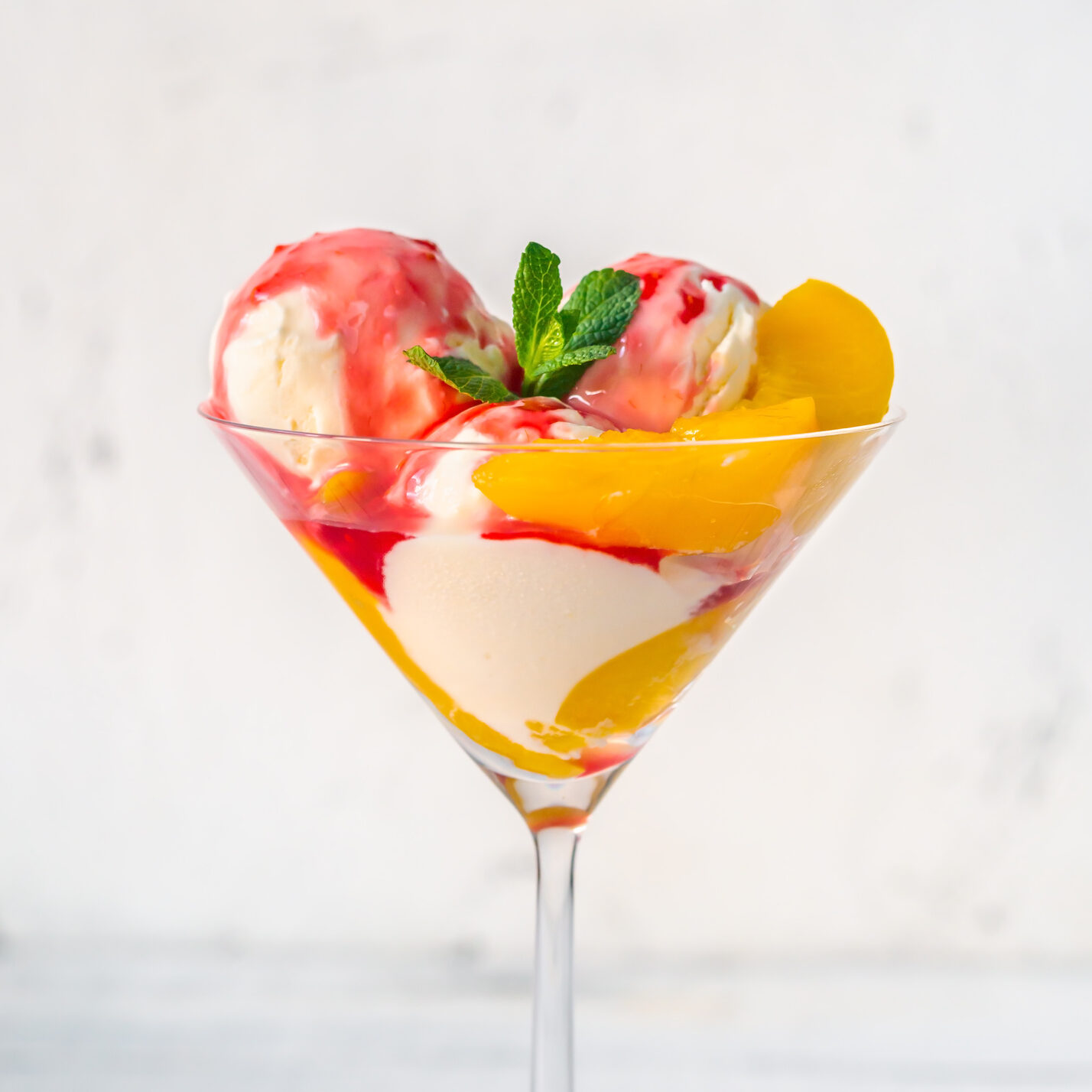
Peach Melba
Ingredients: peaches, honey, white wine or apple juice, vanilla ice cream, raspberry sauce, fresh mint.
This iconic dessert is simple to make and satisfying to eat! Simply simmer and lightly poach your peaches with honey and juice (or wine, if using) until tender. Let cool and serve with ice cream and raspberry sauce.
Hack: Grab a tub of our Vanilla Vanilla Ice Cream for a decadent scoop of creamy goodness.
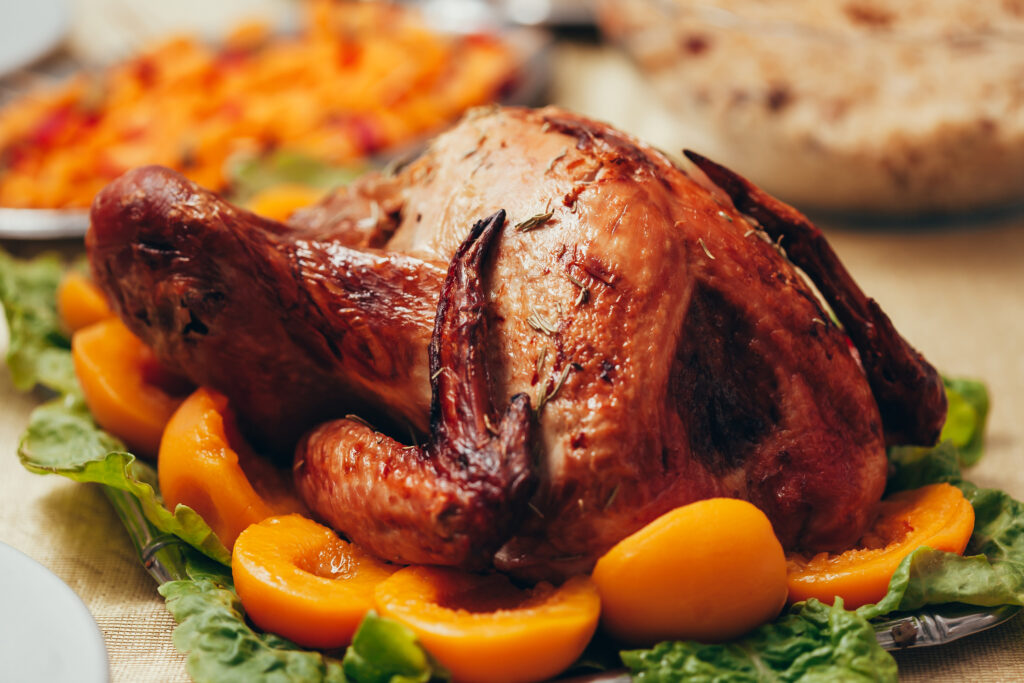
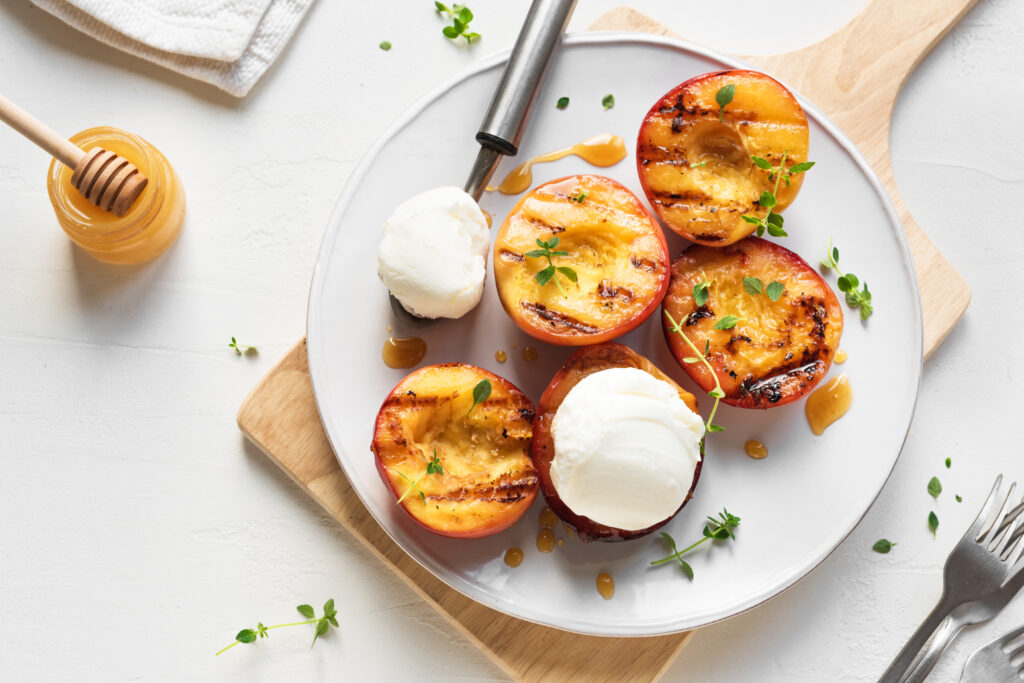
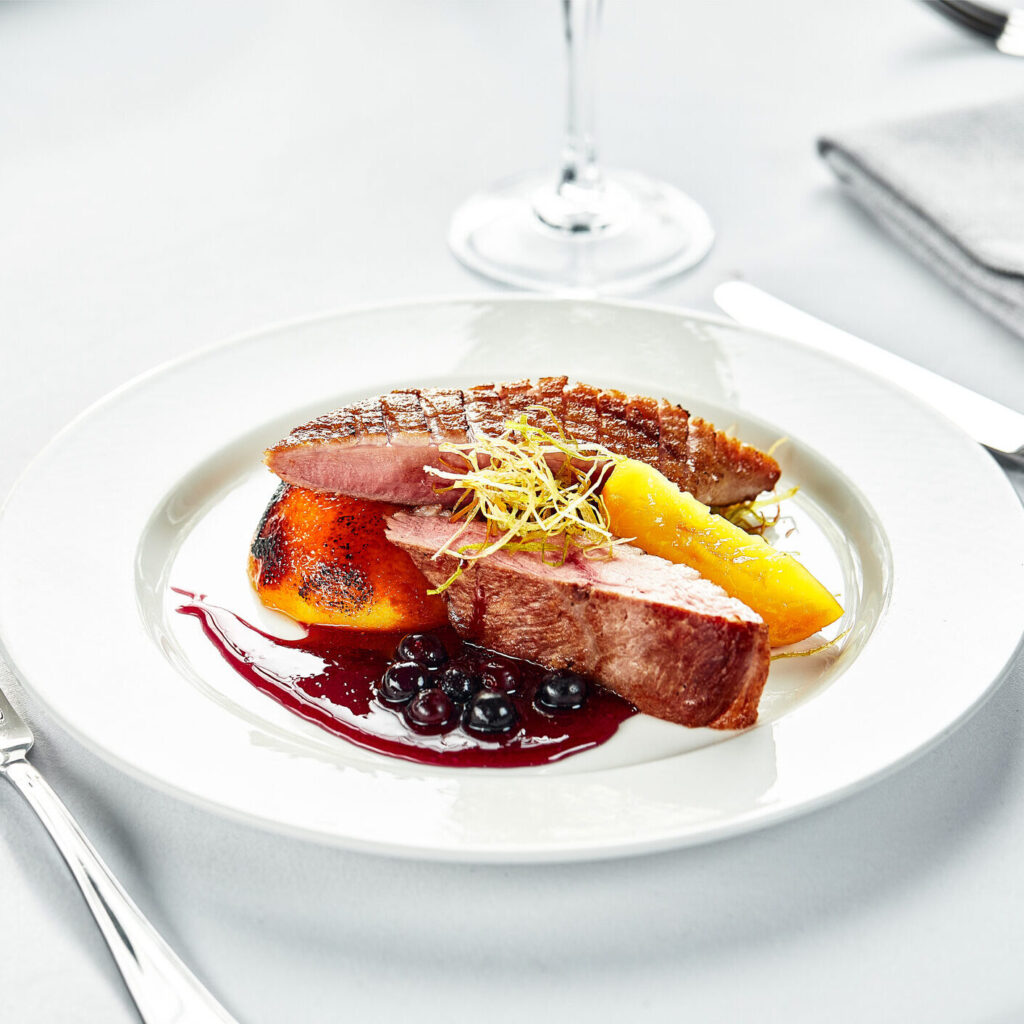
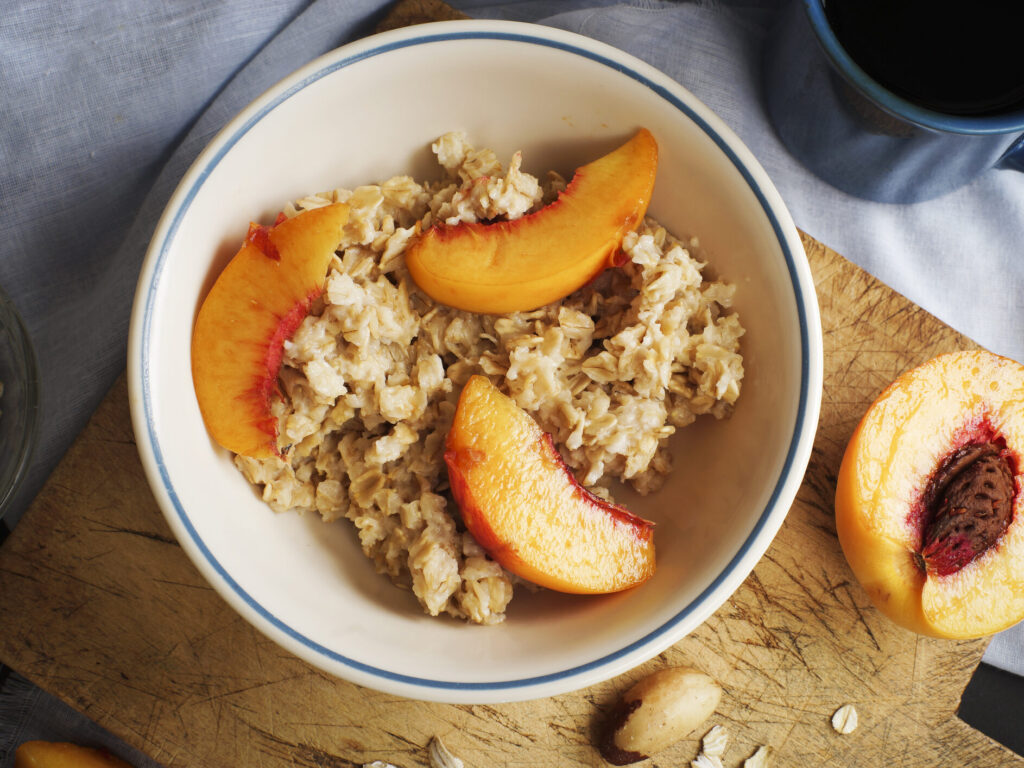
More dishes that are just peachy!
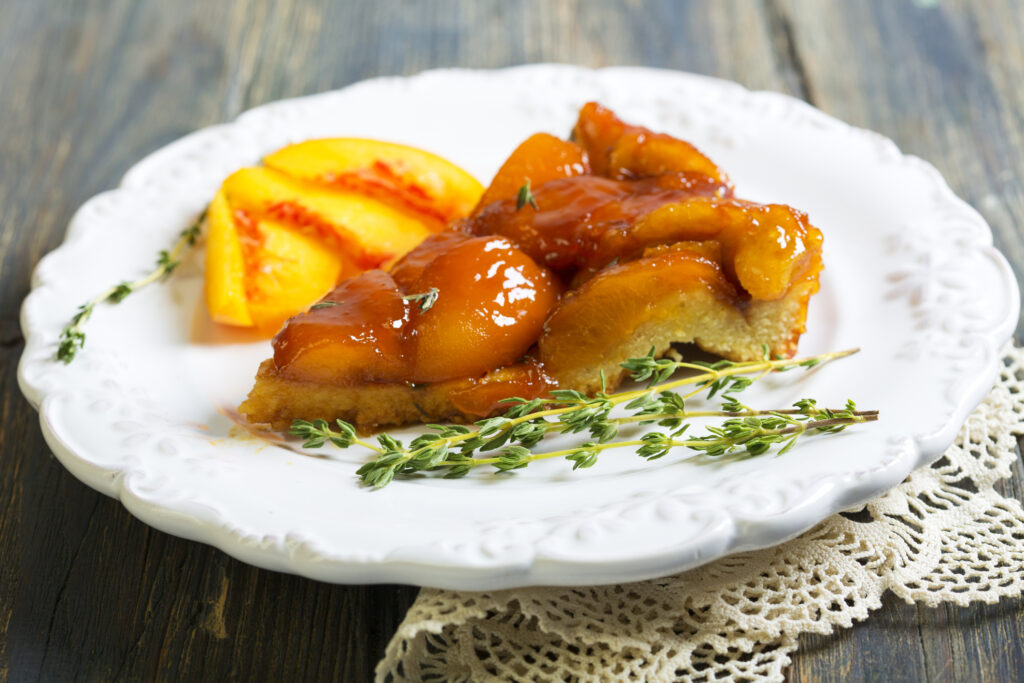
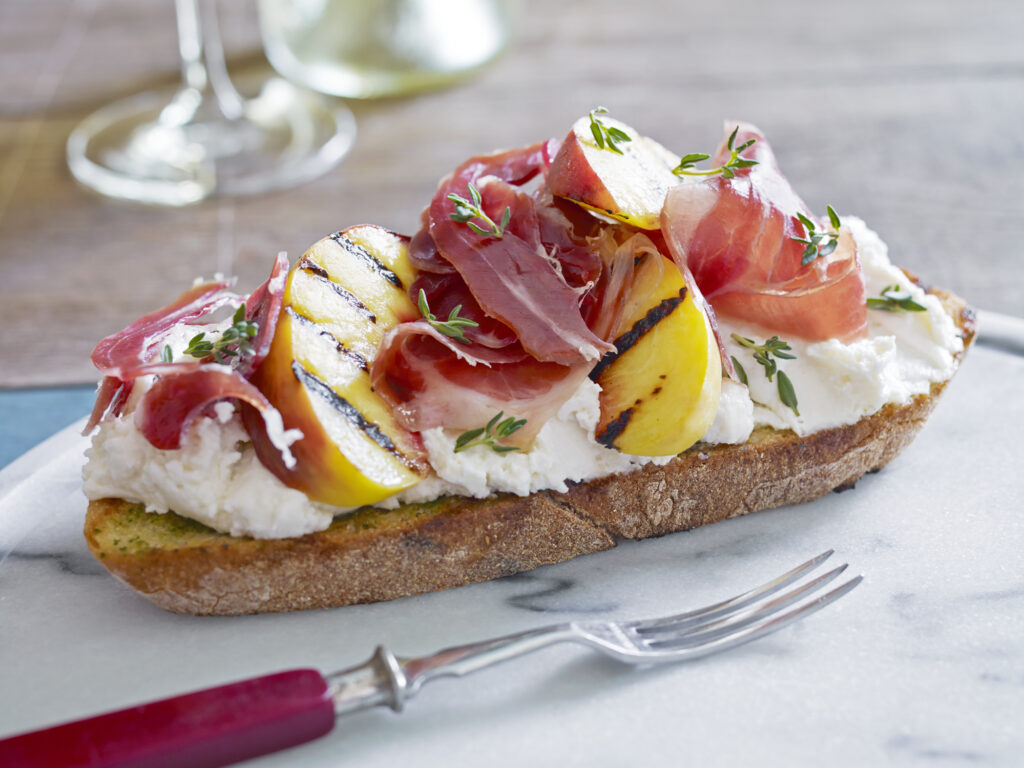
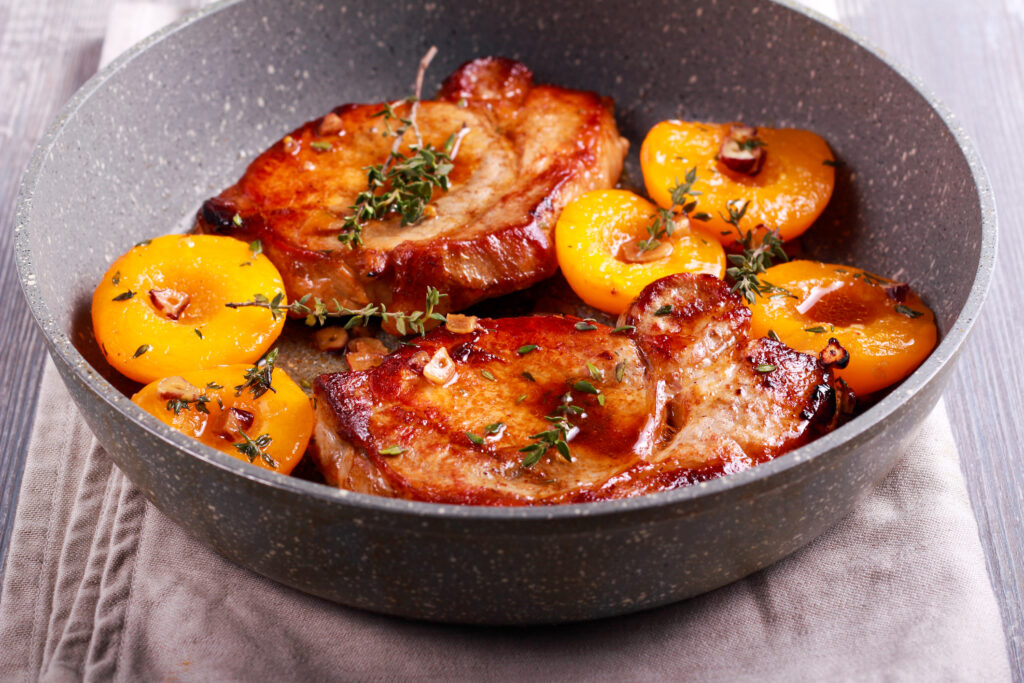
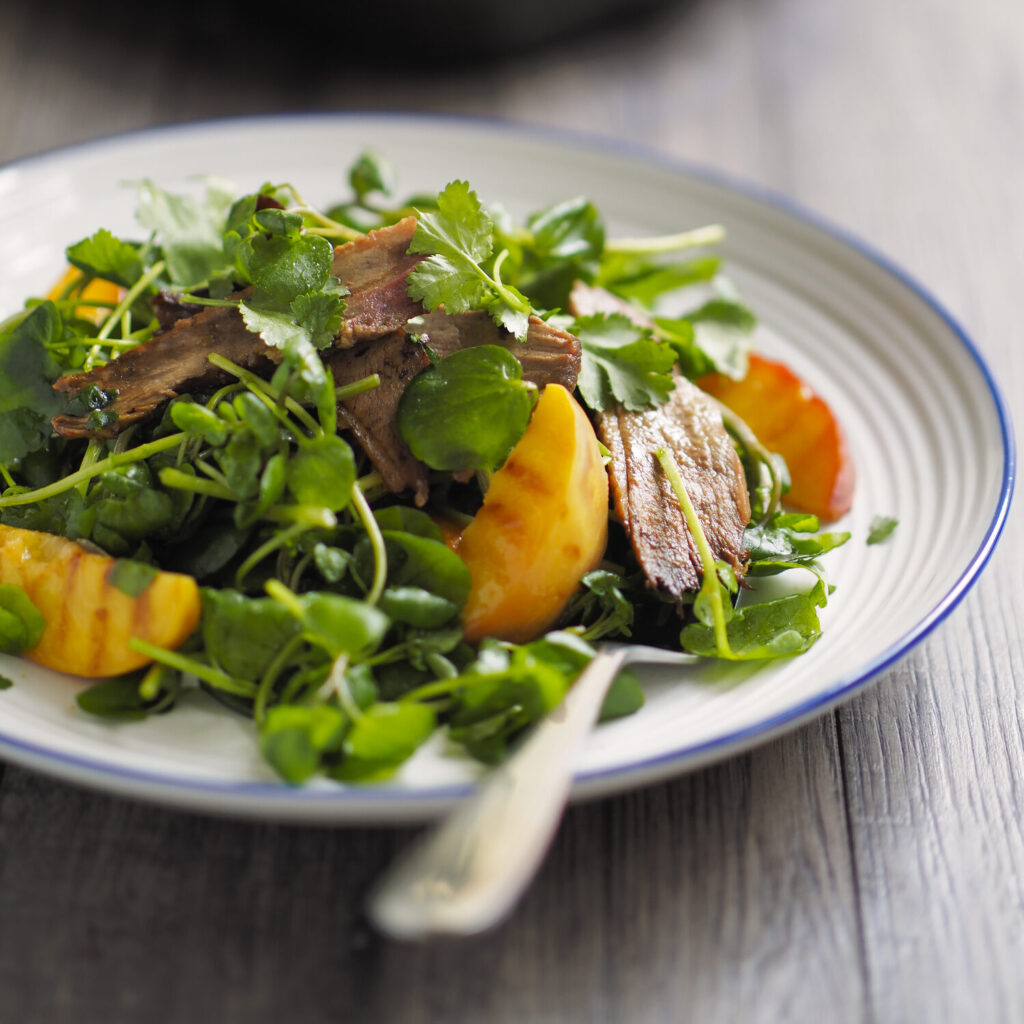
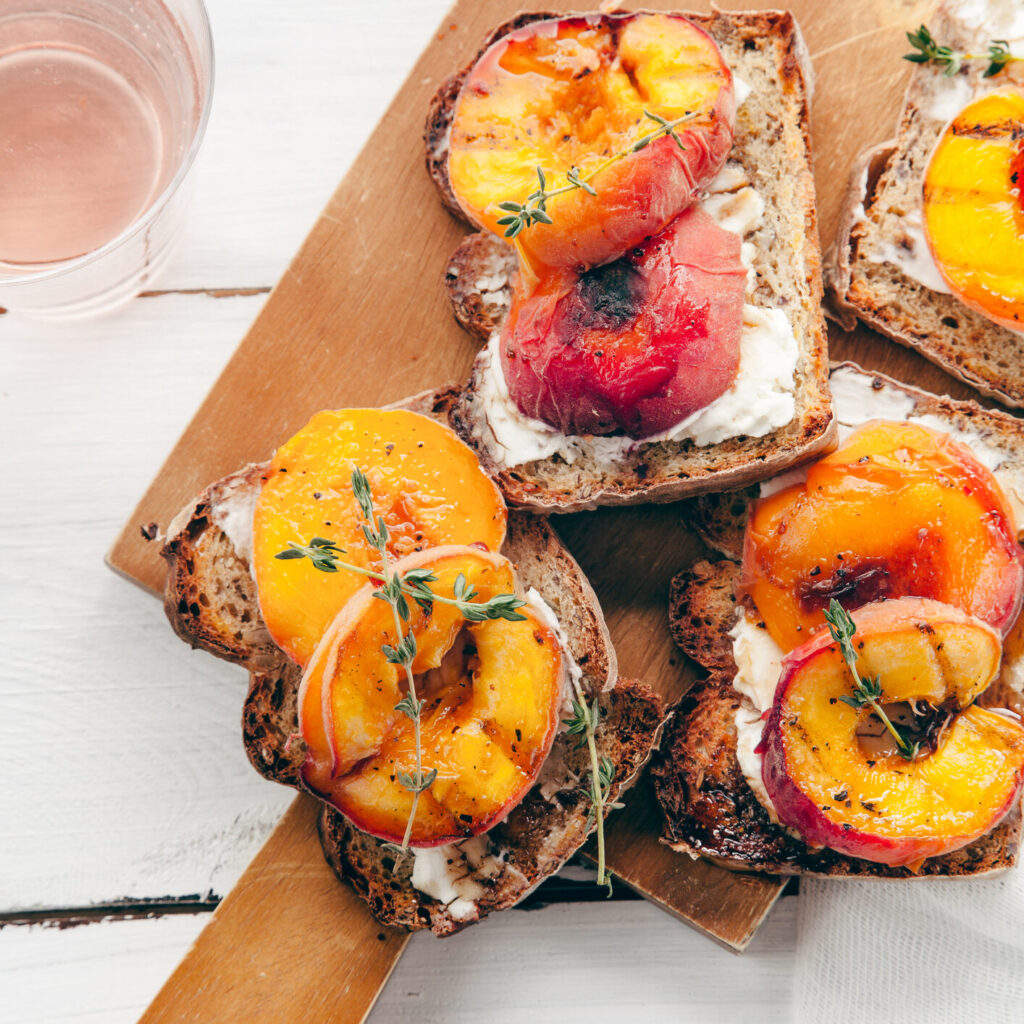
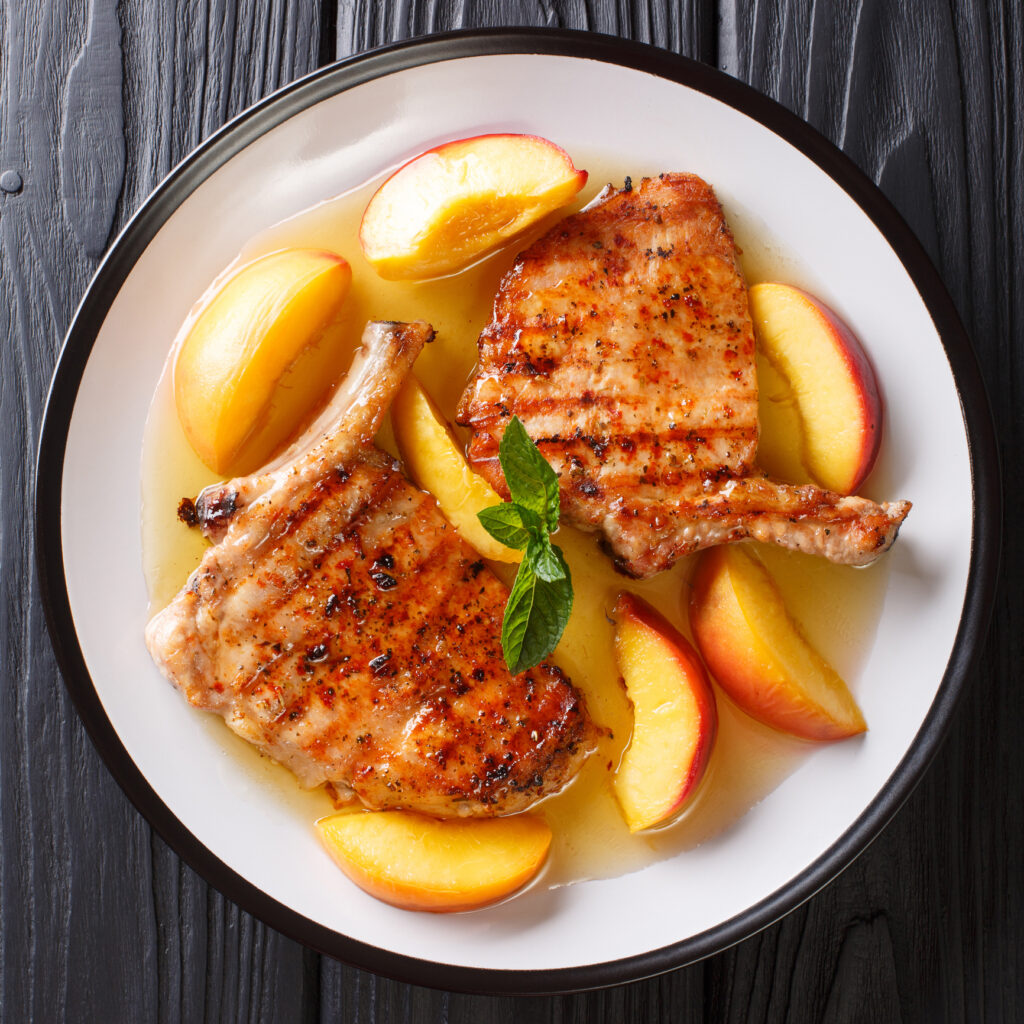
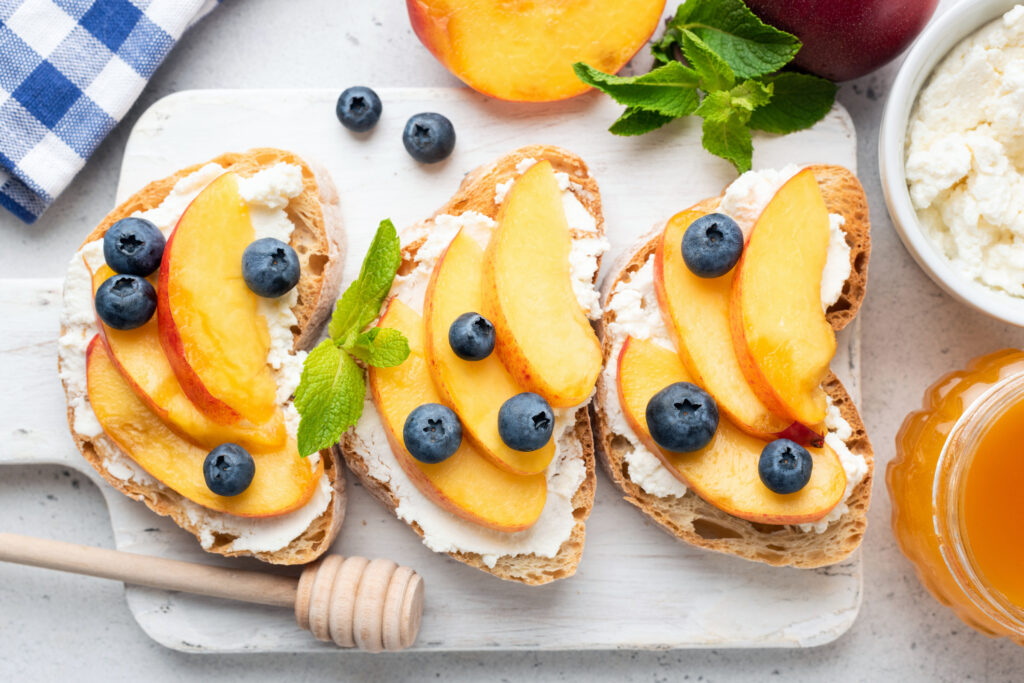
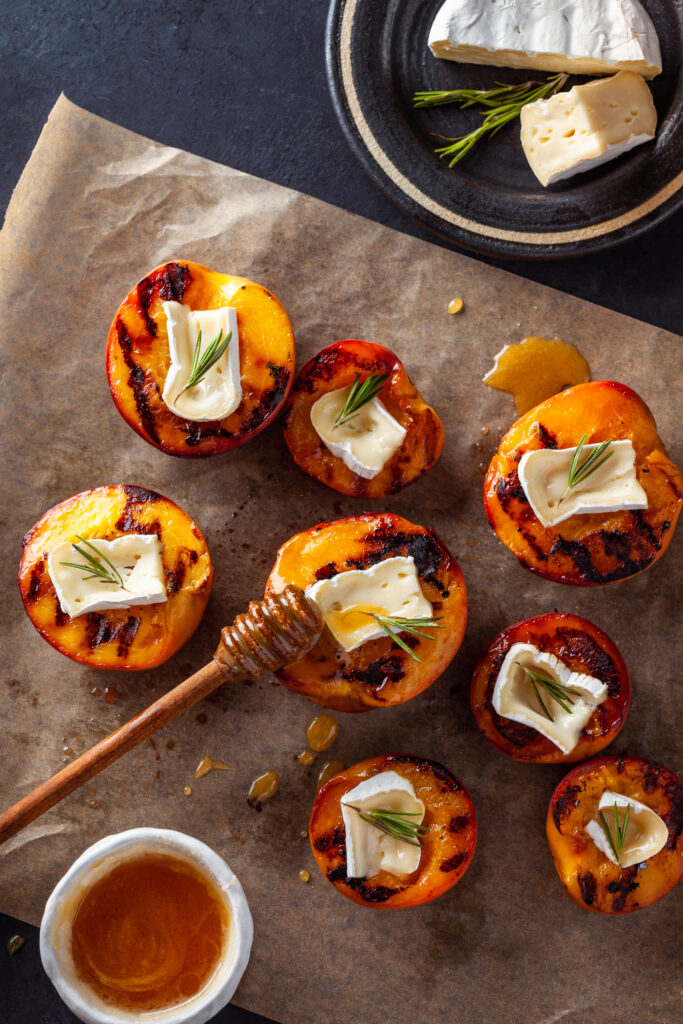
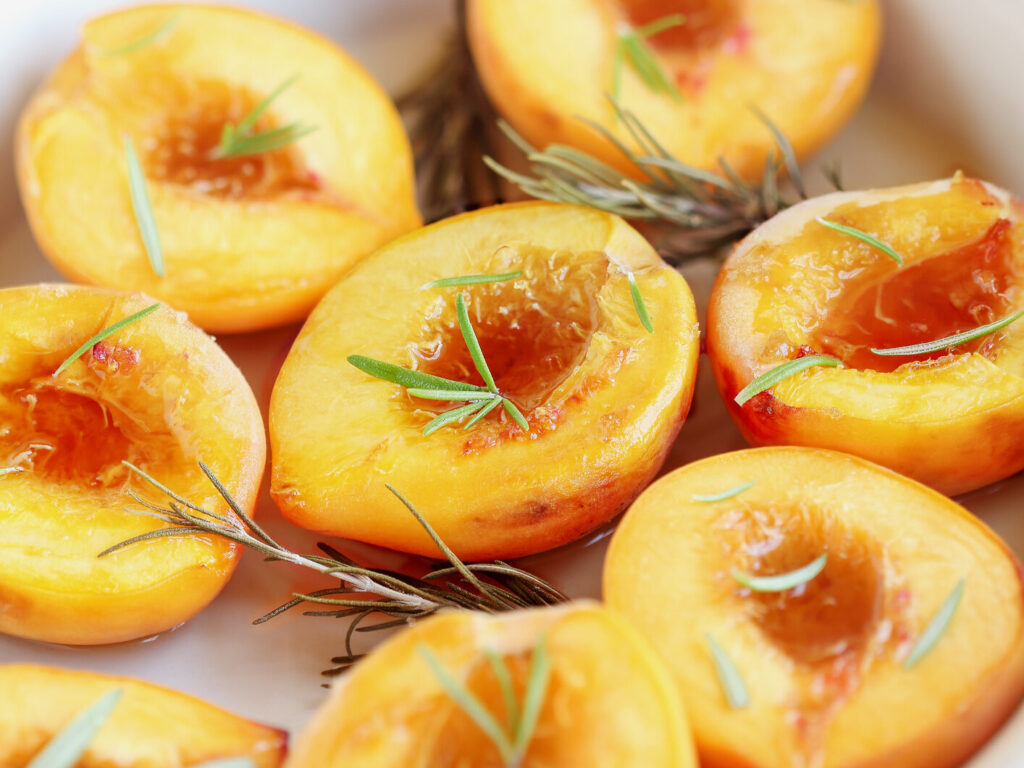
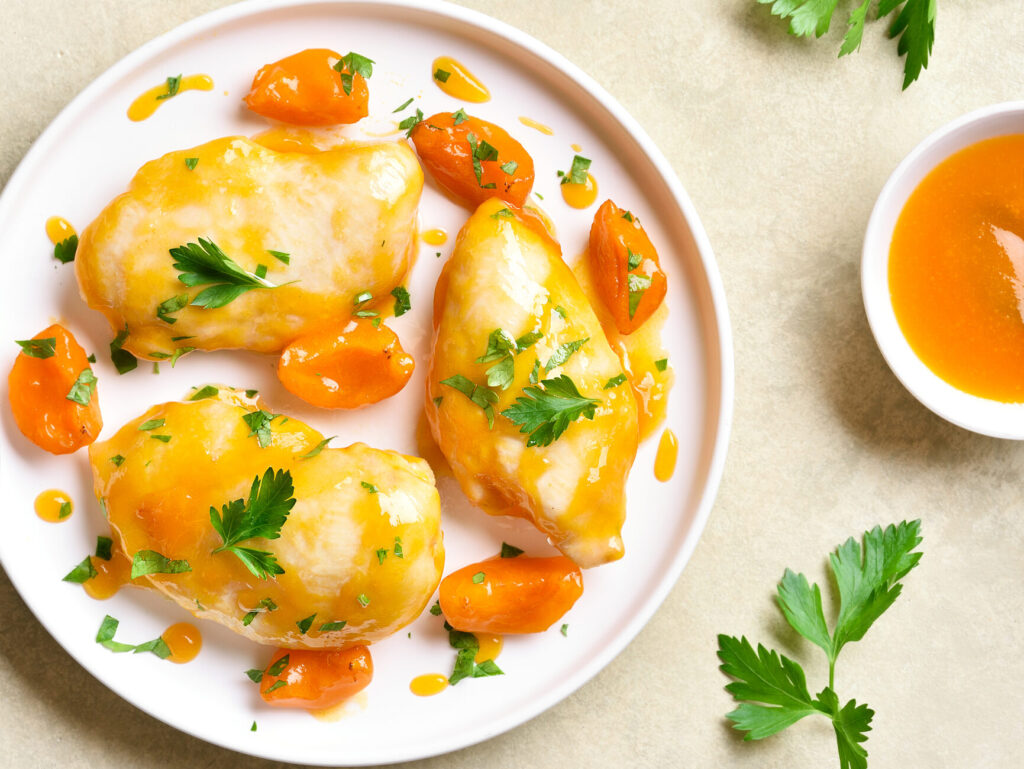
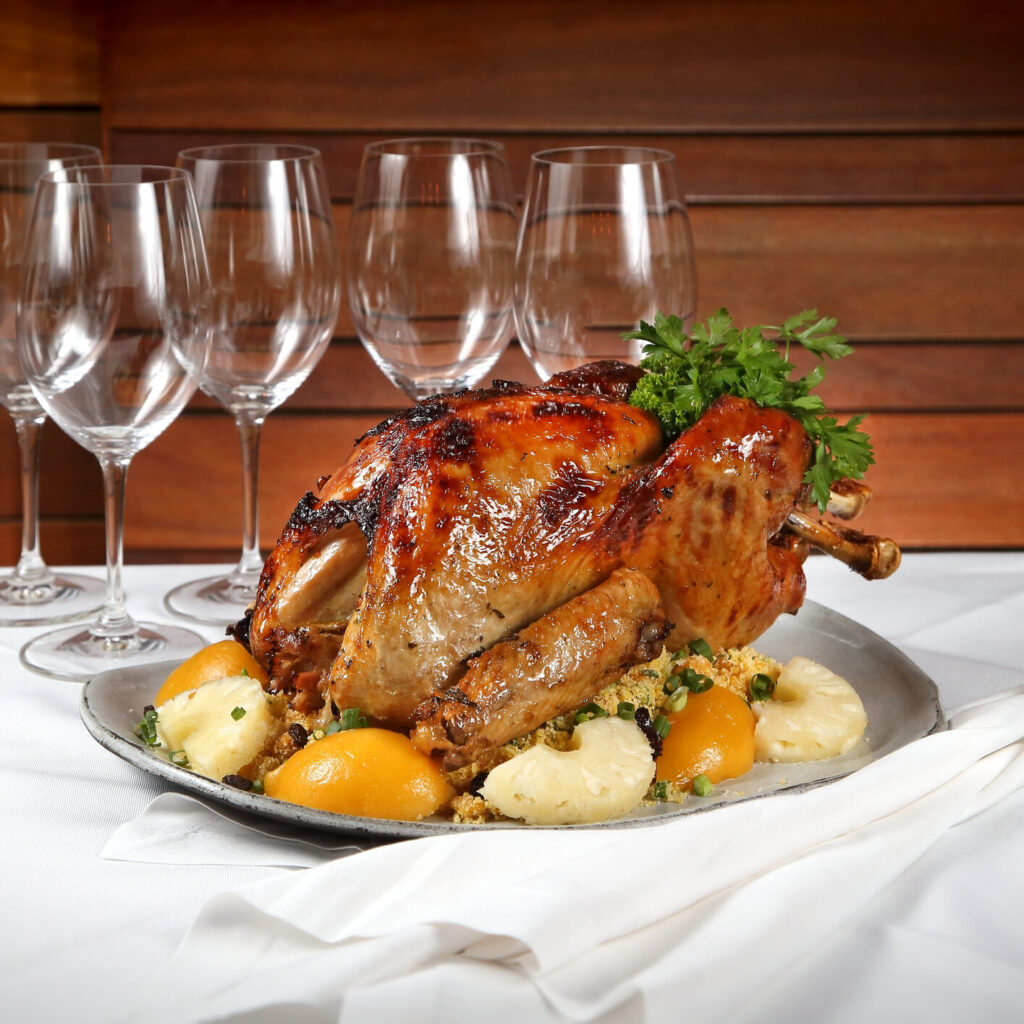
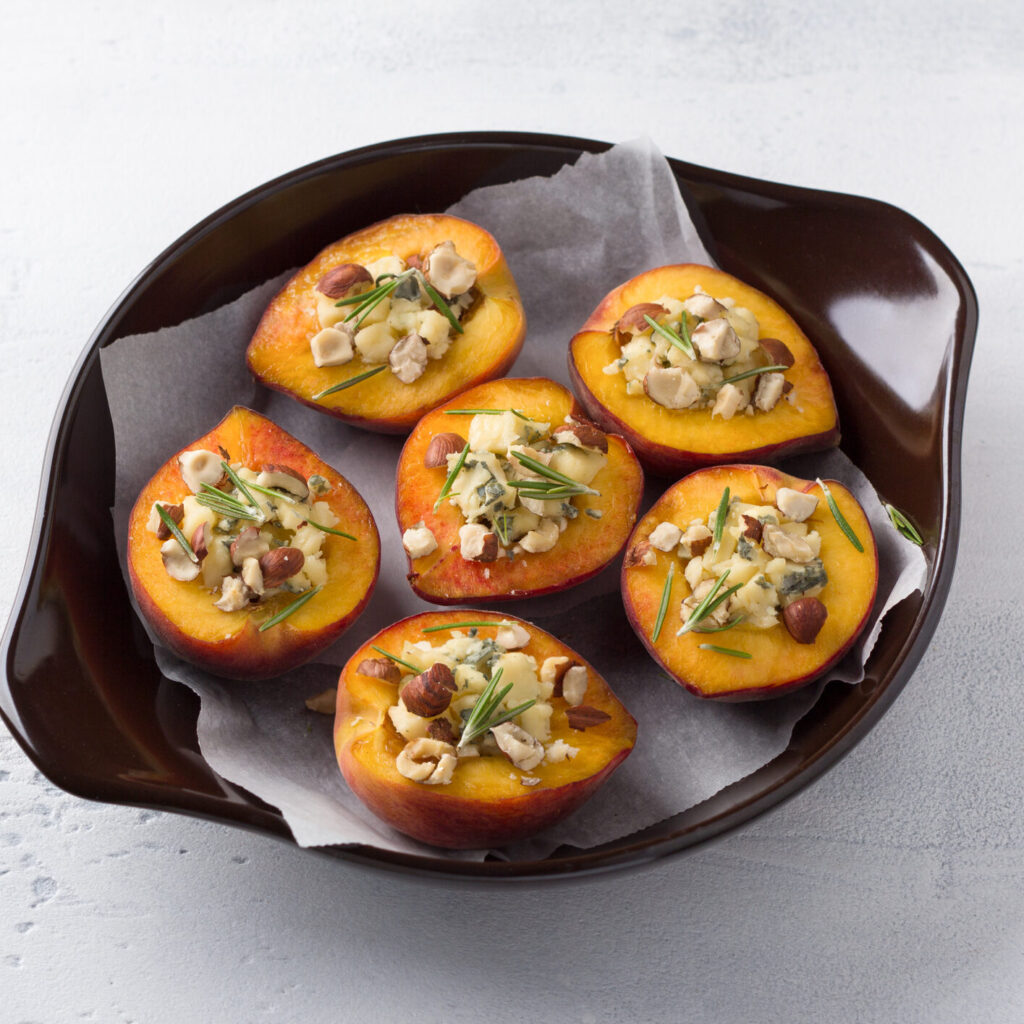
Save ’em.
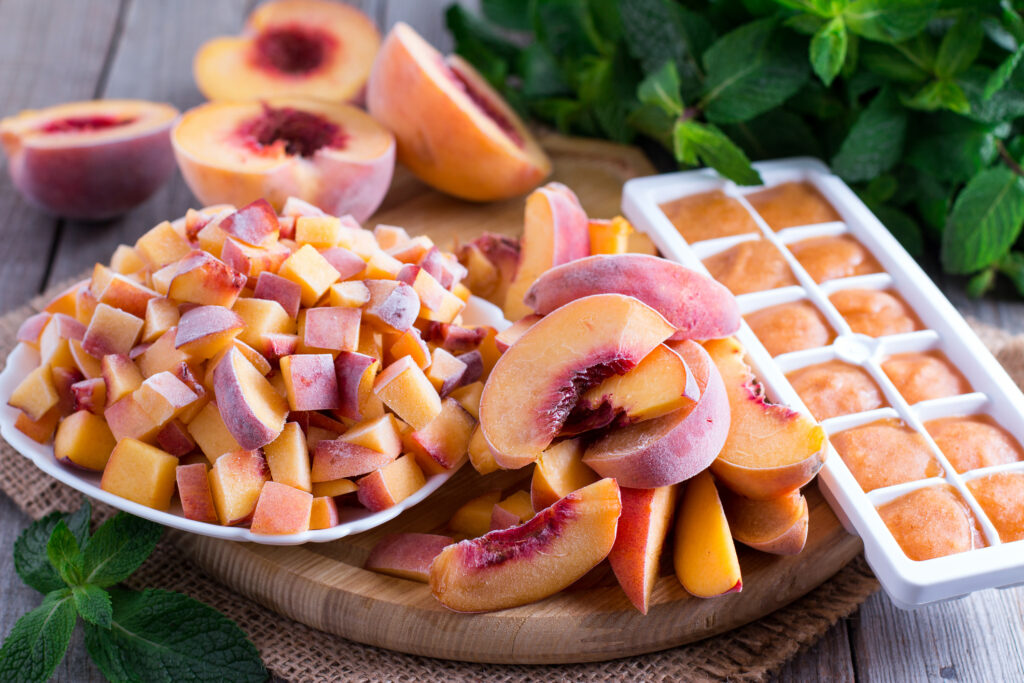
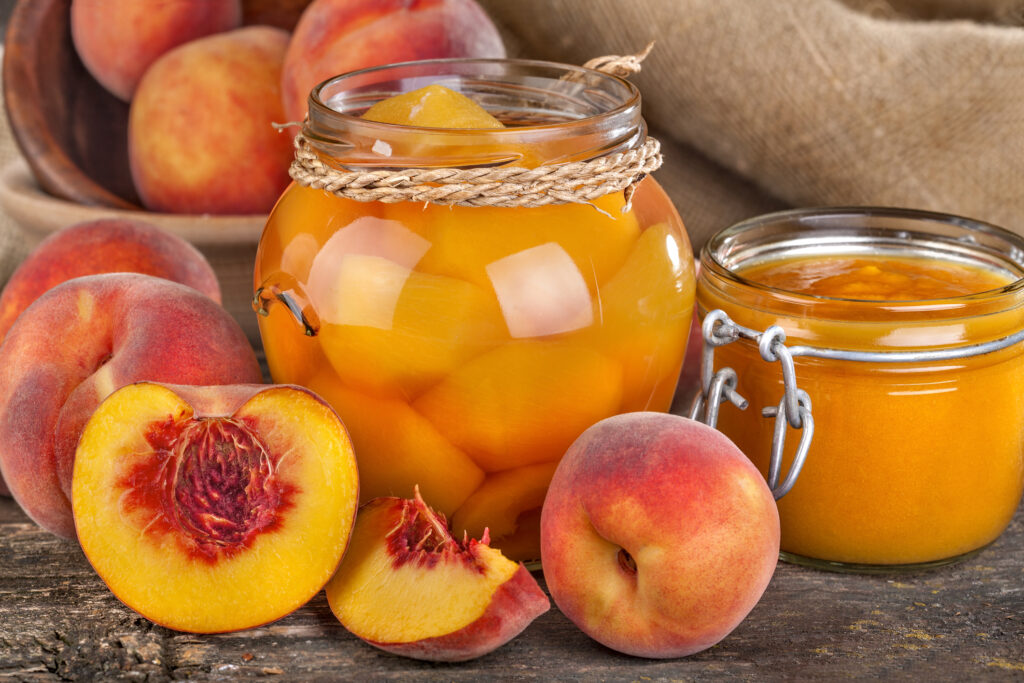
A great way to enjoy seasonal fruits throughout the year is to preserve them. Preservation is a practice that has been refined and utilized for centuries before refrigeration. The most common methods are pickling, dehydrating, jarring/canning, and freezing. Below we have a quick set of instructions on how you can save your fresh peaches using the canning method!
Canning Instructions:
- Make sure all surfaces, glass jars, fruits, and utensils are sterilized.
- Start a large pot of boiling water and fill a large bowl with ice water.
- Prepare peaches by cutting an “x” on the bottom of the fruit along the skin.
- Carefully drop peaches in the boiling water and blanch for 30 seconds.
- Remove from the boiling water and immediately place them in the ice water to cool.
- Prepare another bowl with cold water and lemon juice for an anti-browning solution.
- Peel the fruit, take out the pits, slice, and place in the anti-browning solution.
- In a pot, prepare a simple syrup with water and sugar (2:1 ratio)
- Cook on medium heat until sugar dissolves.
- Place sliced fruit into simple syrup until it reaches a boil and then turn off the heat.
- Pack cooked peaches tightly into glass jars and pour syrup to cover. Leave about a centimeter of space inside the jar.
- Clean the jars and close them tightly with the lids.
- Process the jars by boiling them in a large pot of water for 20 minutes.
- Make sure to completely submerge them.
- Allow them to cool completely and then store in a dry and colder area.
- Preserves usually last for up to 12 months.
- Make sure you are checking for any signs or smells of mold or spoilage before consuming. If you are not sure, it’s best to discard it.
Preserving Tips:
- Remove the pits and skin.
- Peel the skin off easily by quickly blanching in boiling water (whole) and then cool in ice water.
- Softer fruits are better for jams and jellies.
- Firm fruits can be frozen, canned, dehydrated, or jarred.
- Peachy ice cubes made with fresh puree and a little juice can make for easy storage and access to the fruit’s zingy taste!
- Enjoy with water, in mocktail/cocktails, bubbly water, or with our Peach Hibiscus Cold Brew Herbal Tea.
Did you know?
- Ancient Romans thought that peaches came from Persia and so they named it after the Latin word for Persian – prunus persica. The word for peach was formed from this Latin origin.
- Peaches have been growing since the prehistoric period and are originally from China!
- The leaves and bark of peach trees are used in natural teas to treat coughs and bronchitis.
- In the 1780s, it’s believed that Peter Secord (uncle of Laura Secord) was the first British loyalist farmer in Canada. He introduced many tender fruits to the Niagara region.
- In 1875 there were 375,000 peach trees in Ontario. No varieties from that period exist today!